Is a Drop Shade System Right for Your Patio?
A patio that looks great at 10 a.m. can feel unusable by 2 p.m. Direct sun, glare, light rain, and wind can turn a good outdoor space into one you avoid. That is exactly where a drop shade system for patio use starts to make sense. It is not just about adding shade. It is about making the space more usable, more private, and easier to enjoy throughout the day.
For homeowners, that can mean more comfortable family dinners, less heat pushing into the house, and better protection for outdoor furniture. For restaurants, cafes, and commercial patios, it can mean a more inviting customer experience and more practical use of every seat outside. The right system does real work.
What a drop shade system for patio areas actually does
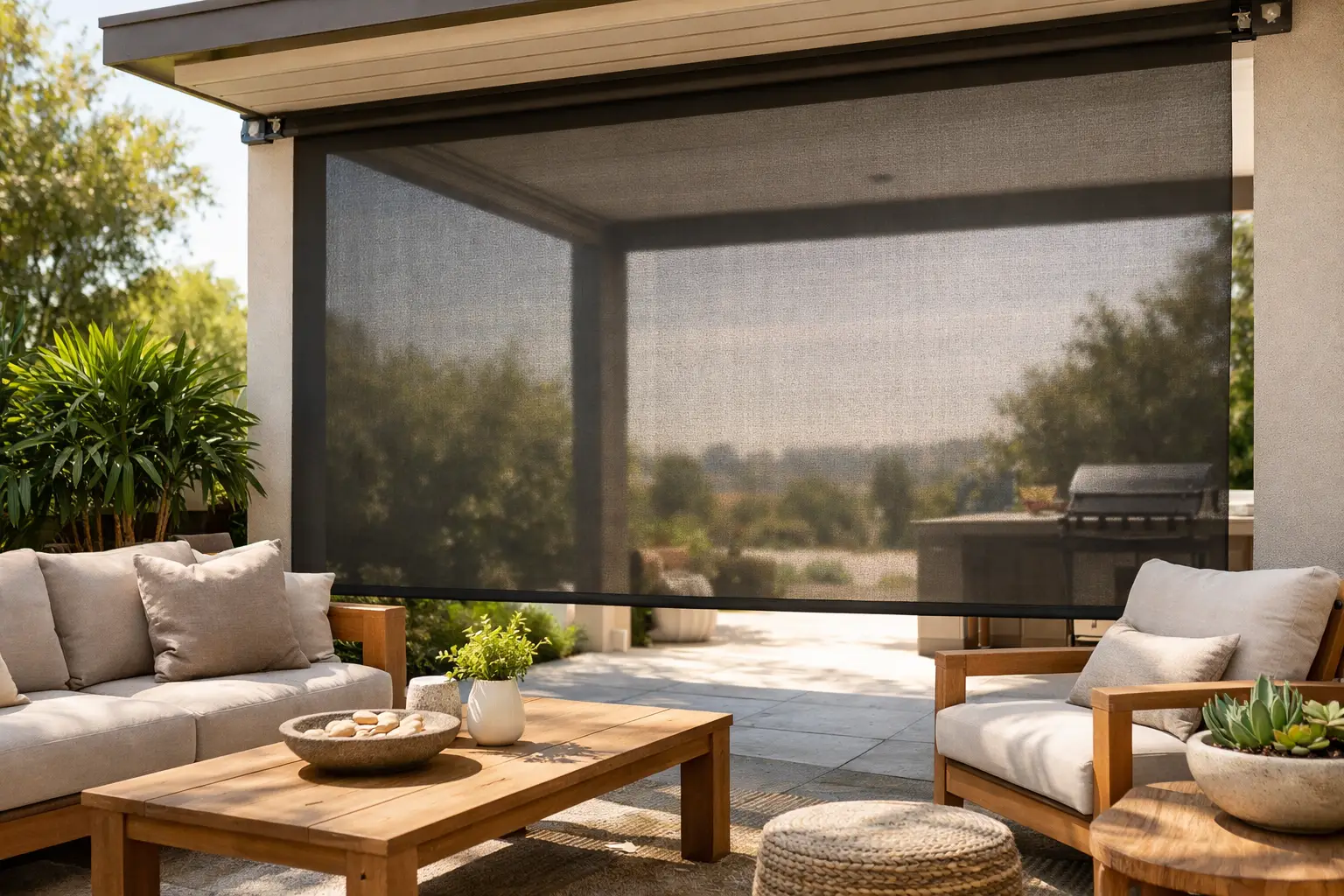
A drop shade system is a vertical screen that lowers from an overhead housing to create shade and light weather protection along the open sides of a patio, pergola, balcony, or covered outdoor area. Unlike a retractable awning, which extends outward to create overhead cover, a drop shade comes down vertically. That difference matters.
When the sun is low in the morning or late afternoon, overhead shade alone often is not enough. A vertical screen helps block the angle of the sun that cuts across the space. It also reduces glare, improves privacy, and can soften wind exposure. If your patio already has a roof, pergola, awning, or structural frame, a drop shade system can complete the enclosure without making the space feel closed in.
This is why many buyers pair drop shades with pergolas or retractable awnings. The overhead system handles top coverage, while the drop shade manages side exposure. Together, they create a much more controlled outdoor environment.
When a drop shade system makes the most sense
Not every patio needs one. If your outdoor area is naturally shaded, protected by fencing, or only used occasionally, a fixed screen or standard umbrella may be enough. But if you use your patio often and find that heat, glare, or privacy are constant problems, a drop shade is worth a serious look.
It is especially useful for west-facing patios where afternoon sun is strongest. It also works well on balconies and covered patios where side exposure is the main issue. In commercial settings, these systems are often chosen to help define the patio perimeter, reduce sun on guests, and create a cleaner, more finished appearance.
There is also a strong practical case in climates with changing weather. Light rain protection and wind filtering can extend how often the space gets used. That does not mean every drop shade is built for harsh storms. It depends on the model, fabric, and mounting conditions. But for normal day-to-day patio comfort, the improvement is immediate.
Manual or motorized: which is better?
This depends on how often you will use the system and how much convenience matters to you. Manual drop shades can be a cost-effective choice for smaller patios or for buyers who want a simple, dependable setup. They do the job without adding motors, controls, or electrical planning.
Motorized systems are the better fit when the shade will be used frequently, when the installation is larger, or when a cleaner, more premium experience matters. A motorized screen is easier to adjust throughout the day, and it is especially useful for commercial spaces where staff need quick control. Homeowners also tend to appreciate the convenience once they start using the patio regularly.
If your patio design already includes motorized awnings, lighting, or integrated pergola features, adding a motorized drop shade usually makes the entire setup feel more cohesive. The trade-off is price. Automation adds convenience and value, but it also increases upfront cost.
Fabric, visibility, and privacy: finding the right balance
One of the biggest misconceptions is that more shade always means better performance. In reality, the best fabric depends on what you want the space to feel like.
Some screen materials are designed to preserve outward visibility while cutting glare and heat. These are popular when you want shade without losing the open-air feeling. Other fabrics provide greater privacy and stronger sun blocking, which works well if neighboring homes, streets, or commercial foot traffic are close by.
Darker screen fabrics often improve outward visibility during the day, while lighter colors can feel brighter and softer from the inside. Neither is automatically better. If privacy is the goal, the openness factor and screen density matter more than color alone.
This is why showroom guidance and product samples are helpful. A fabric that looks ideal in a brochure can behave very differently on a real patio at different times of day.
Design and installation matter more than most buyers expect
A drop shade system is only as good as its fit. If the opening is measured poorly, if the anchors are weak, or if the system is installed without considering wind exposure and structural conditions, performance suffers fast. You may end up with gaps, poor tension, awkward operation, or a system that simply does not look finished.
Custom sizing makes a real difference, especially on patios with unique widths, uneven surfaces, or integrated pergolas and awnings. Commercial spaces also need extra attention because appearance, customer flow, and code considerations may all affect the final setup.
Professional installation is not just about convenience. It protects the investment. A properly installed shade should look clean, operate smoothly, and suit the architecture of the space rather than looking like an add-on.
What to look for before you buy
Start with the actual problem you are trying to solve. If the issue is overhead sun at midday, a retractable awning may be the first upgrade. If the problem is low sun, privacy, or exposure from the side, a drop shade is likely the better answer. In some cases, the right solution is a combination.
Then look closely at the system details. Ask about the housing design, the guide mechanism, the type of fabric, and whether the product is built for regular residential or commercial use. Do not focus only on the size and price. Long-term value comes from how well the system performs through daily use and seasonal weather.
It is also worth asking about replacement parts, service support, and future upgrades. A patio shading system is not an impulse buy. Most customers want something that can be maintained and supported if needs change later.
Drop shades for homes vs. businesses
The priorities are similar, but not identical. Homeowners usually focus on comfort, privacy, style, and easier outdoor living. They want a patio that feels more livable without committing to a fully enclosed addition.
Commercial buyers usually care about customer comfort, patio usability, and visual presentation. A good drop shade system can help a restaurant or café make better use of outdoor seating while giving the frontage a sharper, more intentional look. Speed of operation and durability often matter more in these settings, which is why motorization is common.
In both cases, customization is what separates a good result from a disappointing one. The best systems are chosen around the space, not forced onto it.
Why local guidance helps
Patio shading is one of those categories where the details decide whether you love the result or regret the purchase. Product quality matters, but so do measurements, mounting conditions, fabric choice, and how the system works with the rest of your outdoor setup.
That is why many buyers prefer working with a company that can handle consultation, product selection, and installation together. For property owners in Toronto and the GTA, Welda Solar Shading Systems provides that kind of project support with custom solutions for residential and commercial spaces, along with showroom guidance and installation service.
A drop shade system for patio comfort is not just a screen you pull down when it gets sunny. It is a way to make outdoor space easier to use, easier to protect, and far more comfortable across the seasons. If your patio already has the right bones but still falls short on comfort, this may be the upgrade that finally makes it work the way you expected.