Are Motorized Awnings Reliable?
A patio awning usually gets judged on one bad day – the sudden wind gust, the surprise summer rain, the moment the motor does not respond fast enough. That is why so many buyers ask the same thing before they invest: are motorized awnings reliable? The short answer is yes, but reliability depends less on the idea of motorization itself and more on the quality of the awning, the motor, the installation, and how well the system matches your space.
For most homeowners and commercial property owners, a well-built motorized awning is not a risky upgrade. It is often the more dependable choice because it reduces strain from manual operation, encourages regular use, and can be paired with controls that help protect the system when weather changes quickly. Still, not every motorized awning performs the same way, and this is where smart buying matters.
Are motorized awnings reliable in everyday use?
In normal day-to-day operation, yes. A properly installed motorized awning should open and retract smoothly with very little effort from the user. That consistency is one of the main reasons people choose motorization in the first place. Instead of cranking a large unit in and out manually, you press a button, use a wall switch, or work from a remote. On larger patio systems and commercial awnings, that convenience is not just a luxury – it helps the awning get used correctly and more often.
A manual awning can be reliable too, but large retractable systems place more demands on the user. If an awning is heavy, wide, or mounted high, manual operation can become awkward. Over time, people may leave it extended longer than they should simply because retracting it is a hassle. Motorization removes that friction. In practical terms, that can improve long-term reliability because the awning is easier to protect when conditions change.
The best way to think about it is simple: the motor is only one part of the system. The frame, arms, fabric, mounting method, and controls all play a role in how reliable the whole setup feels after years of use.
What actually affects motorized awning reliability?
The biggest factor is product quality. A low-cost awning with a weak motor and light-duty hardware may work fine at first, but repeated use, exposure to sun, moisture, and seasonal temperature swings can expose shortcuts quickly. A better-built system uses stronger components, more stable arms, and motors designed for repeated operation.
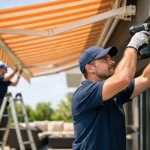
Installation is just as important. Even a good awning can underperform if it is mounted incorrectly or installed on a surface that does not provide proper support. Alignment matters. Electrical setup matters. The pitch and projection matter. If the awning is not installed to suit the wall condition and intended use, reliability suffers long before the motor itself fails.
Then there is sizing. A motorized awning should be selected for the actual space, not just for appearance. If the unit is too large for the structure or used in conditions it was not designed to handle, that creates extra wear. This is especially relevant for restaurants, storefronts, and large backyard patios where broader coverage is often the goal.
The motor matters, but not in isolation
When people worry about motorized systems, they usually focus on the motor as if it is the only possible failure point. In reality, quality motors are generally dependable when paired with the right awning design. Problems are more likely when the system is poorly specified, cheaply made, or installed without enough attention to load, mounting, and local weather exposure.
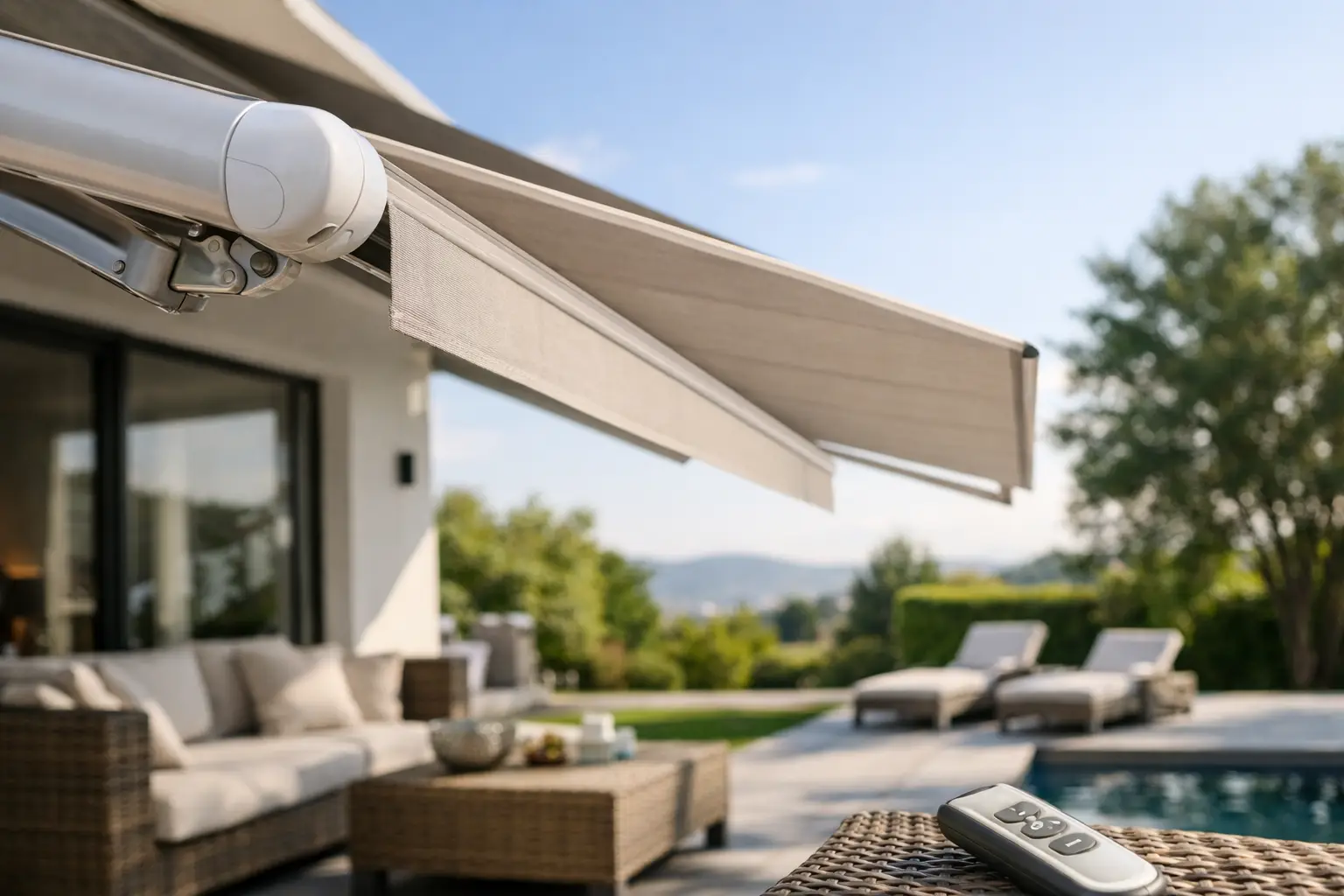
Control options matter too. A remote-controlled awning with simple, responsive operation tends to be used properly. If controls are unreliable or the electrical work is inconsistent, users lose confidence in the system even if the frame and fabric are solid.
How long do motorized awnings usually last?
A good motorized awning can last many years, especially when it is custom-fit, professionally installed, and maintained with reasonable care. The motor and electronics often hold up very well under normal residential use. Commercial environments may put more cycles on the system, so build quality becomes even more important.
What shortens lifespan is usually avoidable. Leaving an awning extended in strong wind, ignoring unusual noises, allowing water to pool because the pitch is wrong, or skipping routine inspections can all create unnecessary wear. Fabric age, arm tension, and mounting stability should be checked periodically, particularly on larger systems.
A quality retractable awning is built for repeated use, but it is not a permanent storm structure. Reliability does not mean invincibility. It means the system performs as designed when used as intended.
Weather is where reliability gets tested
For buyers in places with variable summer weather, this is the real question behind are motorized awnings reliable. Can they handle heat, sun, light rain, and sudden weather shifts without becoming a problem?
A good motorized awning is very effective for sun control and can also provide practical protection from light rain, depending on the model and pitch. That makes patios, decks, and restaurant seating areas much more usable. But wind is the condition that demands the most caution. Retractable awnings are not meant to stay out during strong gusts or storms, whether they are manual or motorized.
This is actually one area where motorization can improve reliability. Optional sensors can help trigger retraction when wind levels rise. That added protection is valuable for buyers who want more peace of mind, especially on exposed properties. It does not replace good judgment, but it adds a layer of protection that manual systems do not always provide.
In North American conditions, material choice also matters. Frames, fabrics, and components should be selected for seasonal wear, UV exposure, and moisture resistance. A sleek design is great, but it needs the build quality to match.
Are motorized awnings more likely to break than manual ones?
Not necessarily. They do have more components, so there are more potential service points, but that does not automatically make them less reliable. In many cases, a motorized system experiences more controlled and even movement than a manually operated one. That can reduce user error and mechanical strain.
The trade-off is straightforward. Manual awnings are simpler. Motorized awnings are more convenient and often better for larger or more frequently used spaces. If reliability is your top concern, the decision should not be based on manual versus motorized alone. It should be based on the quality of the system and whether it is being installed for the right application.
For a small patio that is only used occasionally, a manual unit may be perfectly sensible. For a wide deck, a second-story installation, or a restaurant patio where staff need fast, easy control, motorization is often the better long-term solution.
Maintenance expectations are lower than most people think
Motorized awnings do not require constant attention, but they do benefit from basic maintenance. Keeping the fabric clean, making sure debris does not collect in the system, and paying attention to how the awning moves can go a long way. If the unit starts retracting unevenly, sounding strained, or responding inconsistently, early service is better than waiting.
Seasonal checks are a smart idea, especially before peak summer use. For commercial properties, this is even more important because higher usage means small issues can turn into interruptions quickly.
Most owners are surprised by how little day-to-day effort a motorized awning needs when it has been properly installed from the start. That is one reason professionally guided selection matters. A custom-fit system designed for the space tends to perform better and require fewer adjustments later.
When a motorized awning is worth the investment
If your priority is ease of use, consistent operation, and better control over a larger shaded area, motorization is usually worth it. It is especially valuable for households that use their patio often, for older homeowners who want easier operation, and for businesses that need reliable shade without staff wrestling with a crank.
The added cost makes the most sense when it improves how the awning is actually used. An awning that is easy to extend and retract is more likely to protect your outdoor space regularly. That means more comfort, better sun management, and a better return on the investment.
For buyers comparing options, the smartest move is to focus less on the fear of motorization and more on the source of the system. Work with a provider that can explain size, projection, frame construction, controls, weather limitations, and installation requirements clearly. That is where confidence comes from.
A reliable motorized awning should feel simple once it is in place. You press a button, the shade extends, and your outdoor space becomes more usable without extra effort. If you choose the right system for the job, reliability is not a gamble. It is part of the design. And if you are planning to upgrade a patio, deck, balcony, or commercial outdoor area, that convenience tends to pay for itself every time the weather changes and your space is still ready to use.