Motorized Awning Benefits and Buying Tips
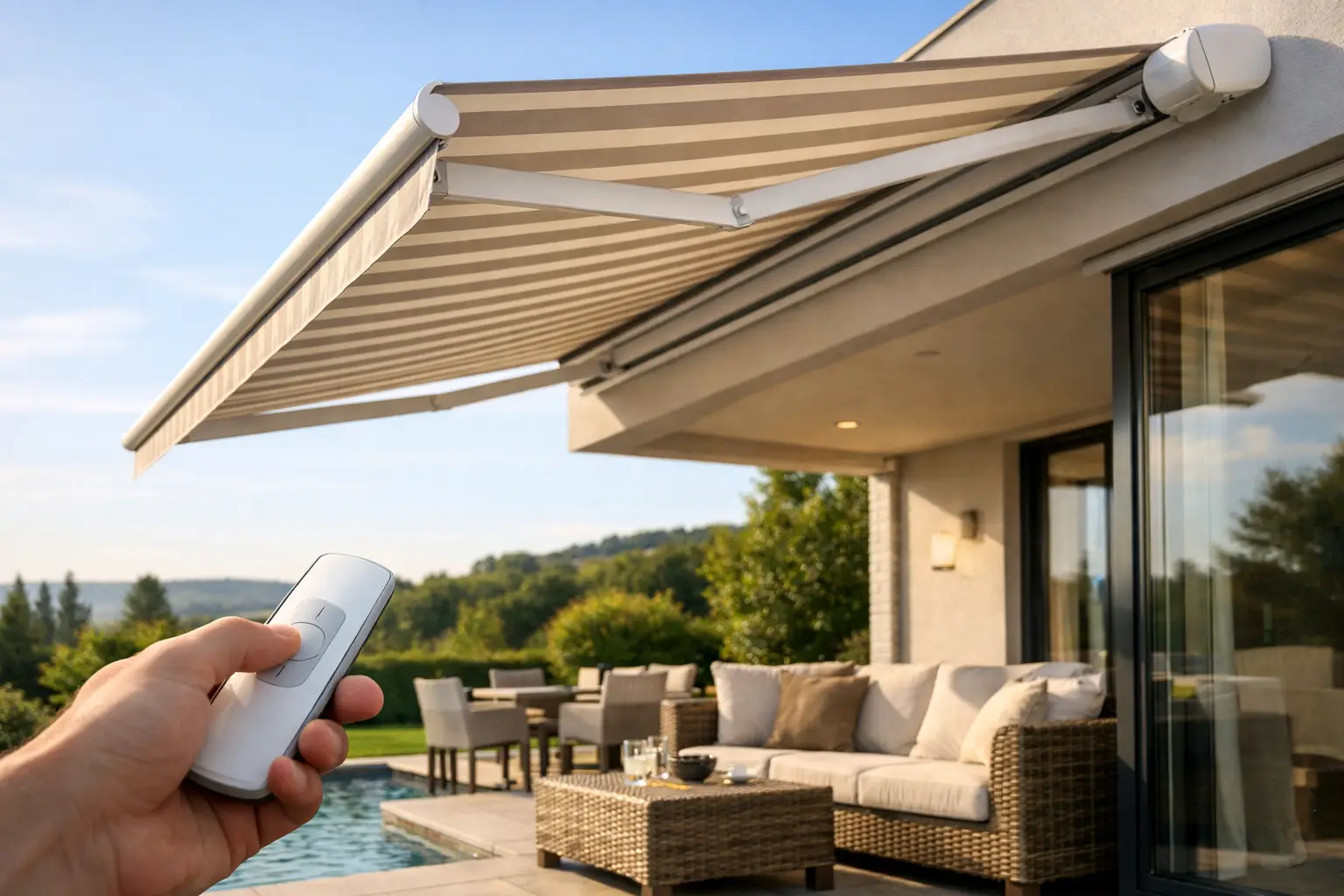
A patio that sits empty on bright afternoons usually has one problem – too much sun at the wrong time. A motorized awning fixes that fast. With the push of a button, you can create usable shade over a deck, terrace, balcony, storefront, or restaurant patio without committing to a permanent roof structure.
For many property owners, that convenience is the obvious selling point. What matters just as much, though, is how well the system fits the space, the weather exposure, and the way the area gets used day to day. A motorized setup can feel like a major upgrade when it is sized properly, installed correctly, and built for real outdoor conditions. It can also disappoint if it is treated like a one-size-fits-all product.
Why a motorized awning stands out
The biggest difference between a motorized awning and a manual model is simple: people use it more. When shade is effortless, the patio becomes part of the routine instead of a space that only gets used on perfect days. Homeowners are more likely to extend coverage during lunch, afternoon gatherings, or evening downtime. Commercial operators can react quickly to changing weather and keep outdoor seating more comfortable without interrupting service.
That ease matters because retractable shading works best when it is used actively. On very hot days, you can extend the awning before the sun fully heats the surface below. If the weather shifts, you can retract it quickly. For restaurants and cafes, that responsiveness can help protect the customer experience and support more consistent patio use.
Motorization also supports larger systems. As awnings get wider and project farther out, manual operation becomes less practical. A motorized unit handles that scale better and feels more appropriate for premium residential patios, large backyard entertaining areas, and commercial frontage.
What you gain beyond basic shade
Shade is the first benefit people think about, but it is rarely the only reason to buy. A well-built awning can reduce glare, make outdoor furniture more usable, and help the space feel cooler during peak sun hours. On attached residential installations, it may also help limit solar heat gain through nearby windows and doors.
There is a visual benefit too. A custom awning gives a patio or storefront a finished, intentional look. That matters to homeowners investing in curb appeal and to businesses trying to create a more polished exterior. Fabric choice, frame finish, cassette style, and valance details all affect the final appearance.
For commercial properties, the value can be even more practical. Outdoor seating only works when guests are comfortable. A retractable system helps expand usable space while keeping flexibility. When the weather is favorable, the patio feels open. When the sun is intense, coverage can be extended in seconds.
Choosing the right motorized awning for your space
Not every awning is right for every property. The best choice depends on width, projection, wall condition, exposure, and how much protection you actually want. A small balcony has very different requirements than a deep backyard patio or a restaurant frontage with multiple tables.
Size is the first consideration. Coverage should match how the space is used, not just the width of the wall. If the goal is to shade a dining set, the projection matters as much as the overall span. If the area includes seating zones, grills, or traffic paths, a larger custom solution may be necessary.
Cassette design is another factor. Full-cassette systems enclose the fabric and arms when retracted, which helps protect moving parts and fabric from dirt and weather exposure. That added protection can be a smart choice for buyers who want a cleaner look and stronger long-term performance. Open or semi-cassette systems can still work well, but the trade-off is usually less enclosure.
Frame strength should never be an afterthought. A motorized awning is an exterior mechanical system, not just a decorative add-on. The hardware, arms, mounting brackets, and motor quality all matter. In climates with variable weather, that becomes even more important.
Motorization features worth paying for
The basic motorized function is straightforward – extend and retract with a wall switch, remote, or app-connected control depending on the system. But some upgrades deliver more value than others.
Wind sensors are one of the most useful options. They can trigger automatic retraction when conditions become too aggressive for safe operation. That feature is especially helpful for owners who may not always be nearby when wind picks up. Sun sensors can also be useful, though their value depends on how predictable your sun exposure is and whether you want the awning reacting automatically.
Integrated lighting can turn a daytime shade structure into an evening-use feature. For homeowners, that supports outdoor dining and entertaining. For commercial patios, it can improve ambiance and help extend operating use after sunset. Heating is another upgrade that makes sense in some cases, especially for businesses trying to increase shoulder-season patio use.
Not every upgrade is necessary. If the priority is dependable shade and convenience, a strong motor, quality controls, and proper installation matter more than loading the system with every available option.
Installation matters more than most buyers expect
A motorized awning is only as good as its installation. This is where many buying decisions go wrong. People compare fabric samples and motor features but spend too little time thinking about mounting conditions, pitch, electrical planning, and structural support.
The wall or mounting surface needs to handle the load properly. Brick, concrete, wood framing, and other surfaces all require different installation approaches. The pitch has to be set correctly so the awning functions as intended and sheds light rain appropriately when applicable. Electrical access should also be planned early, especially if the goal is a clean, low-visibility finish.
This is one reason custom consultation matters. A professional installer can identify clearance issues, soffit limitations, drainage concerns, and mounting challenges before fabrication and scheduling move forward. That helps avoid disappointing results and protects the investment.
For property owners in Toronto and the GTA, working with a local team that understands seasonal conditions and site-specific installation realities can make the process much smoother.
Is a motorized awning worth it?
In many cases, yes – but the answer depends on expectations. If you want a flexible way to create shade without building a permanent covered structure, it is often an excellent solution. If you want all-weather protection in every season, an awning may not be the full answer on its own.
Retractable systems are ideal for buyers who value control. You can enjoy open sky when you want it and shade when you need it. That flexibility is a major advantage over fixed covers. At the same time, buyers should be realistic about weather. Heavy wind, snow load, and severe storms are not conditions where a retractable awning should be left extended.
Cost is another factor. A motorized model costs more than a manual one, and custom sizing or premium cassette styles increase the investment further. Still, for many homeowners and commercial operators, the added convenience, cleaner operation, and better day-to-day usability justify the difference.
When custom service makes the difference
The best results usually come from treating the awning as part of the property, not as a boxed accessory. A custom-fit system can be matched to the width of the patio, the architecture of the building, and the level of weather exposure. It can also be tailored with fabric colors, frame finishes, and optional features that make the final installation feel intentional.
That is where a showroom visit or on-site consultation becomes useful. You can compare styles, understand the trade-offs between manual and motorized options, and get guidance on what makes sense for your budget and space. Welda Solar Shading Systems works with both residential and commercial clients who want that kind of clarity before moving forward.
If your outdoor area has good potential but gets too hot, too bright, or too unpredictable to use consistently, a motorized awning is often the upgrade that changes that. The right system does more than add shade. It makes the space easier to enjoy, easier to manage, and far more likely to get used the way you intended.