7 Full Cassette Awning Benefits
A retractable awning looks great on day one. The real question is how it holds up after heat, wind, pollen, rain, and months of sitting exposed over your patio.
That is where a full cassette system starts to make sense. If you are comparing awning styles for a home, restaurant, or commercial patio, the biggest difference is not just appearance. It is protection. A full cassette awning encloses the fabric, arms, and moving parts inside a protective housing when retracted, which changes how the system performs over time.
Why full cassette awning benefits matter
When people talk about full cassette awning benefits, they are usually thinking about one thing first – keeping the awning in better condition. That is a fair place to start, but it is not the whole story.
A fully enclosed cassette helps reduce wear on the fabric, keeps the arms cleaner, and protects key components when the awning is not in use. For homeowners, that often means a cleaner patio appearance and fewer worries during changing weather. For commercial properties, it can mean a more polished frontage and a better return on the investment.
The right awning still depends on the size of the space, the exposure, and how often you plan to use it. A full cassette model is not always the lowest-cost option upfront. But for many buyers, the value shows up in appearance, maintenance, and long-term performance.
1. Better protection for fabric and moving parts
This is the biggest advantage, and usually the reason buyers move up to a full cassette design.
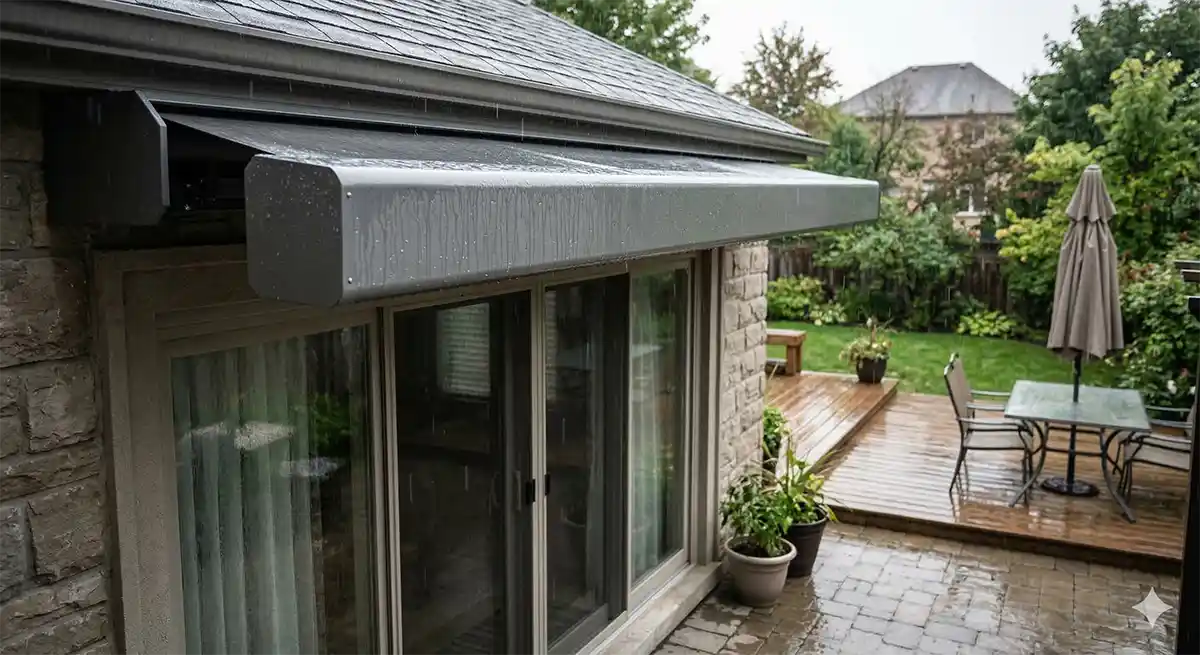
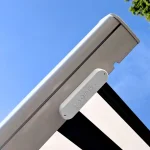
When the awning retracts, the cassette closes around the system and shields the fabric roll, folding arms, and mechanisms from sun, moisture, dirt, and debris. On a standard open-style awning, those parts remain more exposed even when the unit is closed. Over time, that extra exposure can lead to faster fading, more dirt buildup, and more wear on the hardware.
If your patio gets strong afternoon sun, tree debris, dust, or regular weather swings, that added enclosure matters. It helps preserve the look and condition of the awning between uses rather than asking the fabric and hardware to sit outside unprotected all season.
2. Cleaner lines and a more finished appearance
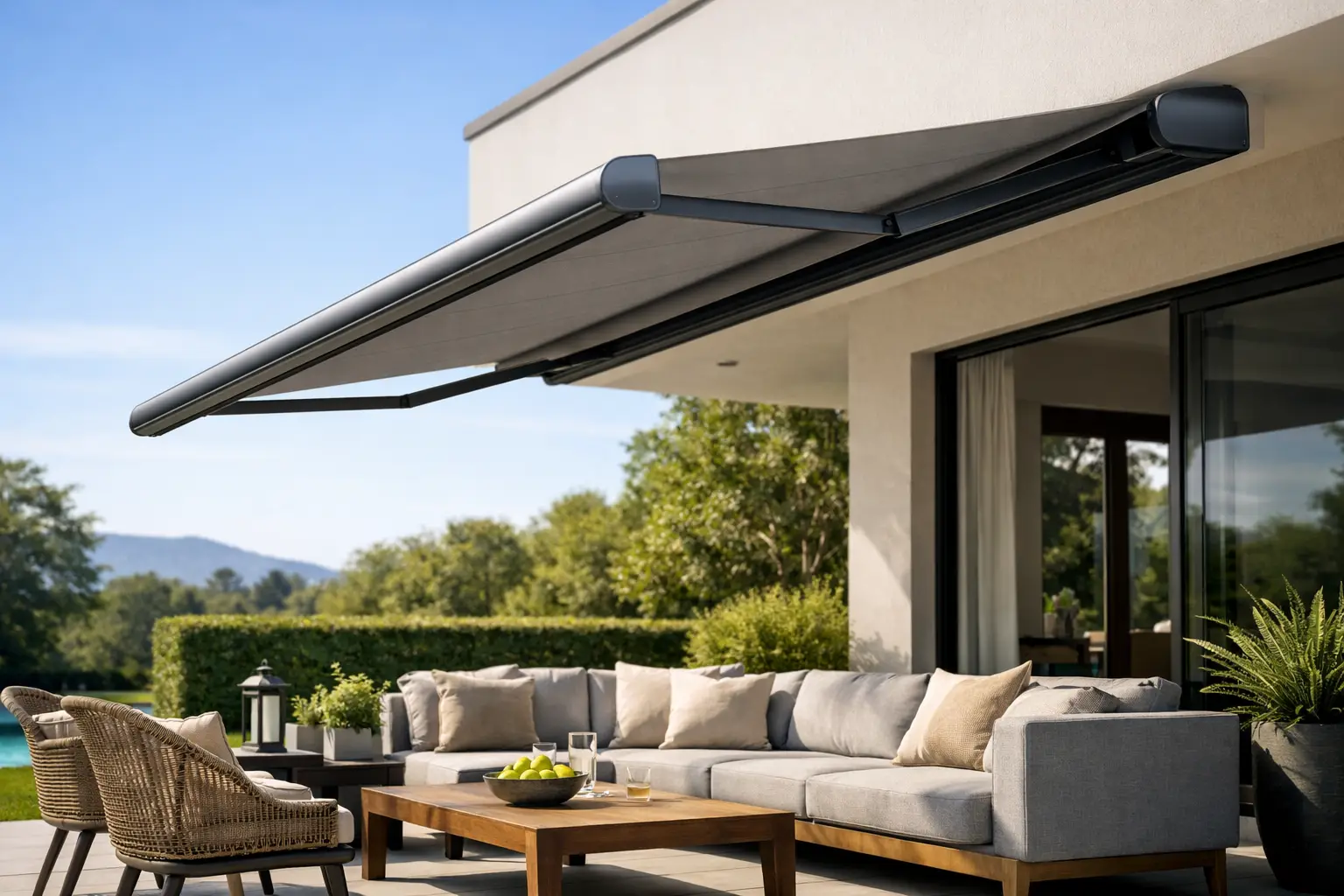
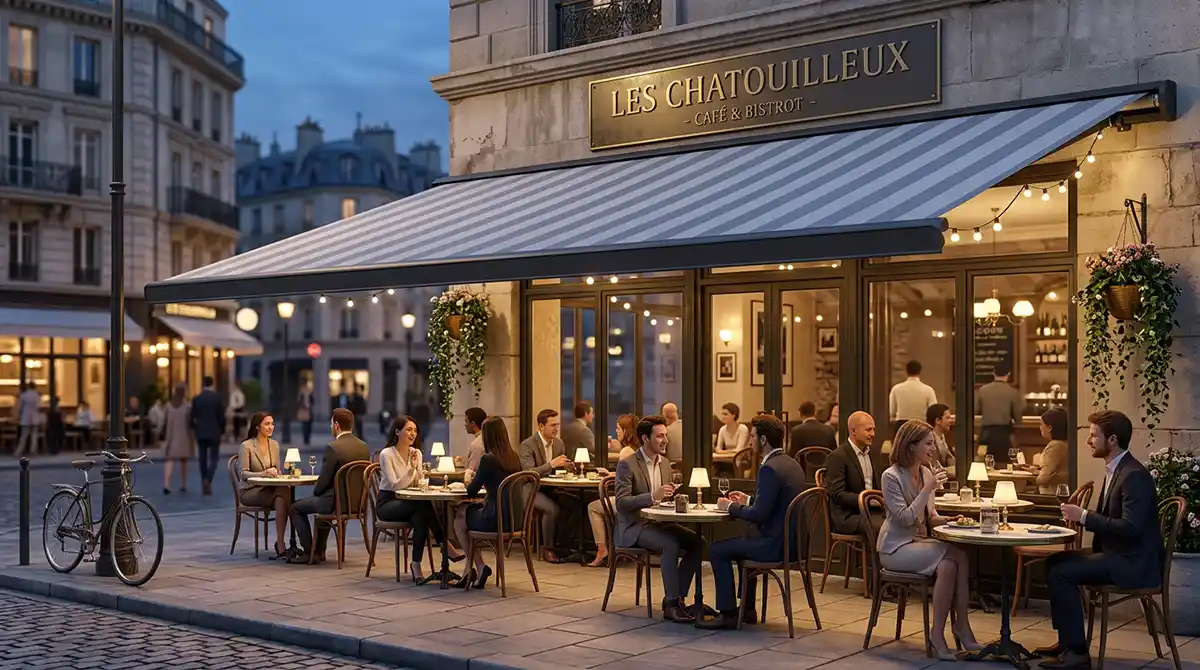
A full cassette awning is usually the preferred choice for customers who care about curb appeal. Once retracted, the awning tucks neatly into its casing, creating a compact and streamlined profile against the wall.
That cleaner look works especially well on newer homes, condos, upscale patios, cafés, and storefronts where visible hardware can feel distracting. Instead of seeing folded arms and rolled fabric, you see a closed housing that looks intentional and well integrated.
This is one of those benefits that seems cosmetic at first, but it often has practical value too. A tidy exterior can support property appearance, improve first impressions, and make an outdoor seating area feel more professionally designed.
3. Longer-lasting performance in changing weather
No retractable awning should be treated like a permanent roof, and any system needs proper operation during high wind or severe weather. Still, full cassette construction helps the awning handle day-to-day environmental exposure more effectively when closed.
Because the system is enclosed, there is less ongoing contact with rain residue, airborne grime, and UV exposure while the awning is stored. That can support longer-lasting fabric condition and help components stay in better shape over the years.
For properties in places with hot summers, wet springs, and a wide range of conditions through the outdoor season, that extra protection is a practical advantage. It does not remove the need for proper care, but it does reduce how much the closed awning is left to deal with on its own.
4. Less maintenance and easier upkeep
Most buyers are not looking for another outdoor feature that needs constant cleaning and attention. A full cassette awning helps on that front because the protected design limits exposure when the unit is retracted.
That often means less debris collecting on the fabric and fewer visible parts needing regular wipe-downs. You still need occasional cleaning and periodic inspections, especially if the awning sees frequent use, but upkeep is generally simpler when the system spends more of its idle time enclosed.
For commercial operators, this can be especially useful. A restaurant or café patio has enough to manage already. An awning that stays cleaner between service periods is easier to keep presentation-ready.
5. Strong value for motorized systems
Many full cassette awnings are paired with motorization, and that combination makes sense. If you are investing in a retractable system for convenience, comfort, and appearance, it helps to protect that investment when the awning closes.
Motorized operation encourages more consistent use because opening and retracting the awning takes very little effort. Instead of leaving it out longer than necessary, users are more likely to retract it when conditions change. The full cassette then adds another layer of protection by enclosing the system right away.
For homeowners, that can mean less day-to-day hassle. For business owners, it can mean smoother patio management during busy hours. Add-ons such as wind sensors, lighting, or heating can further improve usability, but the core point stays the same – a premium operating system benefits from premium protection.
6. A better fit for high-visibility residential and commercial spaces
Some awnings do their job well but look purely functional. A full cassette model tends to deliver both function and presentation, which is why it is often chosen for spaces where the awning is part of the property image.
On a backyard patio, that could mean preserving the look of a renovated outdoor living area. On a restaurant front, it could mean creating shade for guests without compromising the appearance of the building. On mixed-use or hospitality properties, the cleaner form can support a more refined, modern exterior.
That does not mean every project needs a full cassette. If the awning is installed in a less visible area and budget is the first priority, a different style may still be the right move. But when appearance matters almost as much as shade coverage, full cassette construction has a clear edge.
7. Better long-term value, even with a higher upfront cost
This is where buyers usually hesitate, and it is worth being direct about it. Full cassette awnings typically cost more than simpler retractable models. The added housing, design detail, and construction raise the price.
The question is whether the extra cost pays off for your space. In many cases, yes.
If the awning will be used frequently, installed in a highly visible location, or expected to stay looking sharp over many seasons, the added protection and cleaner appearance can justify the investment. You are not just paying for shade. You are paying for a system that protects itself better when not in use.
For some buyers, a semi-cassette or open awning may still be a reasonable fit. That is especially true if the installation area is sheltered or if keeping the initial budget down matters most. But if you want a more premium solution with stronger protection and a neater finished look, full cassette often provides better overall value.

European Style Full Cassette Retractable Awning
Specification
| Widths: 7’9″ – 23′ |
| Available projections: up to 11’8″ (max) |
| Tilt angle: 0° – 70° wall installation; 5° – 85° ceiling installation |
| Fabric: dyed marine grade acrylic fabrics |
| Operation: manual / automatic |
| Automation controls: remote control, wind sensor, sun sensor, rain sensor |
| Available frame colours: textured Anthracite Metallic powder coating (dark Charcoal Grey). |
Please note that the European Style Full Cassette awning is exclusively available with an electric motor for your convenience. The frame of the European Style Full Cassette awning is meticulously finished with an Anthracite Metallic powder coating, ensuring a sleek and stylish appearance.


Additionally, the European Style Full Cassette comes with a 5-year warranty, providing you with peace of mind and assurance.
Are full cassette awning benefits right for every property?
Not automatically. The best choice depends on how and where the awning will be used.
If your patio is exposed to regular sun, road dust, pollen, or unpredictable weather, a full cassette system offers clear advantages. If you want a sleek appearance on the front of a home or business, it is often the best-looking option. If you are choosing motorization and custom sizing, it also makes sense to pair those upgrades with a housing that protects the entire unit.
On the other hand, if the awning will sit under an overhang or in a relatively protected zone, and your main goal is basic shade at the lowest possible price, another awning type may work just fine. There is no single answer for every project.
That is why product selection should start with the space itself – sun exposure, mounting surface, width, projection, weather conditions, and how often the awning will be opened and closed. A well-matched system will always outperform a cheaper or more expensive one that is wrong for the application.
Choosing a full cassette awning with the right support
The product matters, but so does the company measuring, customizing, and installing it. A full cassette awning needs proper sizing, proper pitch, and a mounting plan that suits the structure. If those details are off, even a high-quality system can underperform.
That is why many property owners prefer working with a supplier that handles consultation, customization, and installation rather than selling a one-size-fits-all unit. For buyers in Toronto and the GTA, Welda Solar Shading Systems helps customers compare retractable awning options based on actual space requirements, usage goals, and budget.
A full cassette awning is not just a nicer-looking upgrade. It is a smarter choice for people who want stronger protection, less visual clutter, and better long-term use from their outdoor shade system. If your patio project deserves something built to stay cleaner, look sharper, and work harder season after season, this is usually the style worth asking about first.