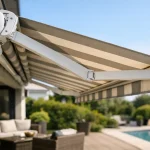
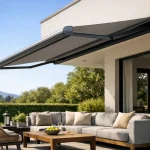
Is a Motorized Awning With Wind Sensor Worth It?
A patio awning usually gets damaged on the one day nobody is paying attention. The sun is out, the shade is extended, then a fast wind gust rolls through and puts stress on the arms, fabric, and mounting points in minutes. That is exactly why more property owners are asking about a motorized awning with wind sensor instead of a basic manual system.
For many homes and businesses, this upgrade is less about convenience and more about protection. If you are investing in a custom awning for a deck, restaurant patio, terrace, or storefront, the goal is not just shade. You want a system that responds better to changing weather and reduces the chances of avoidable damage.
What a motorized awning with wind sensor actually does
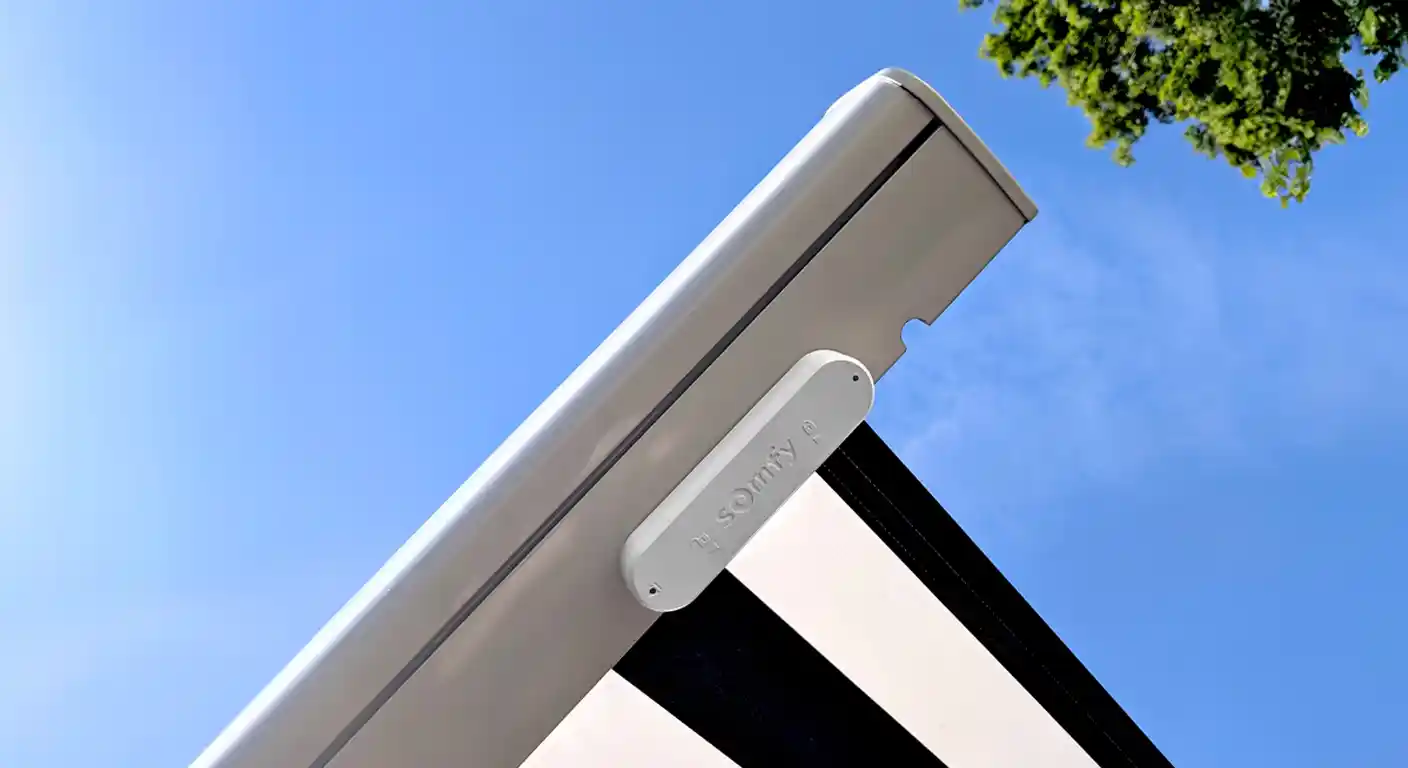
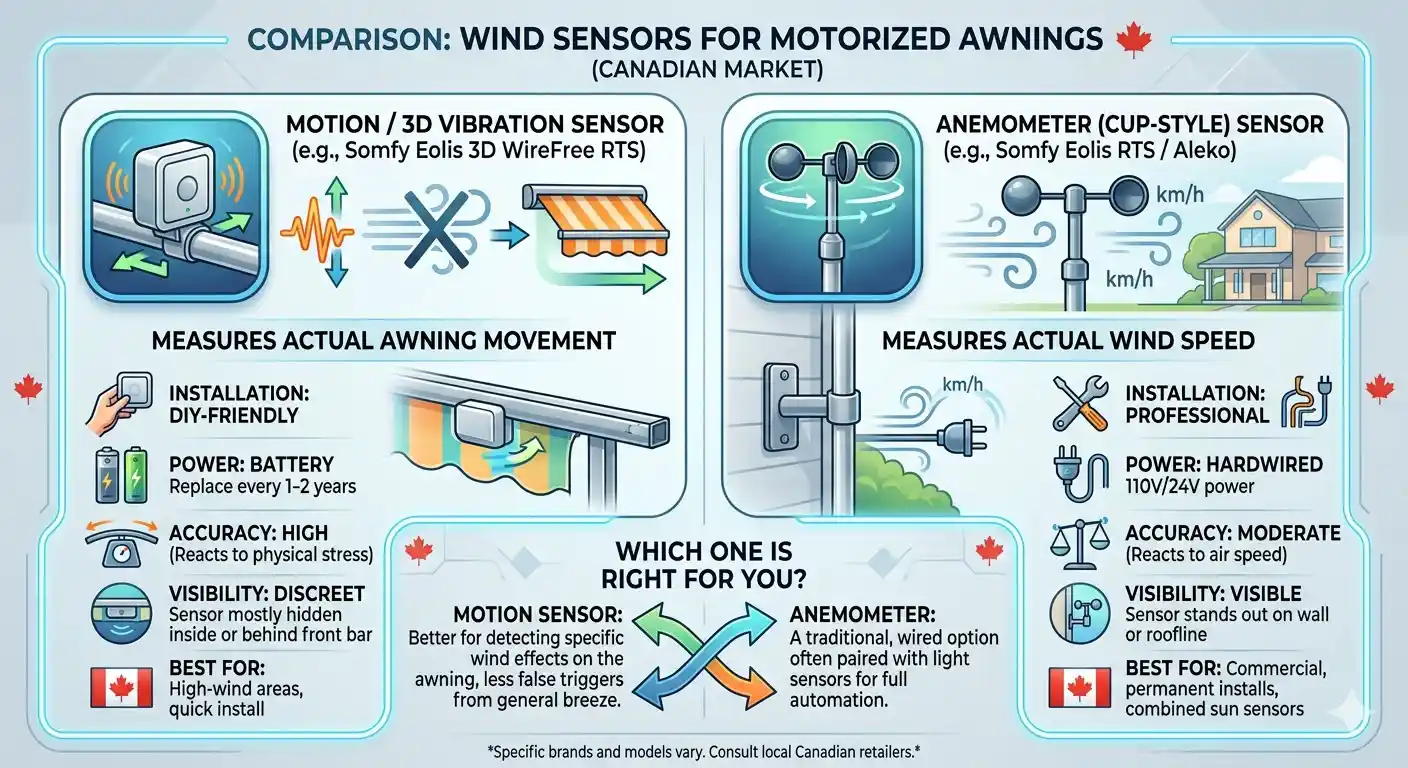
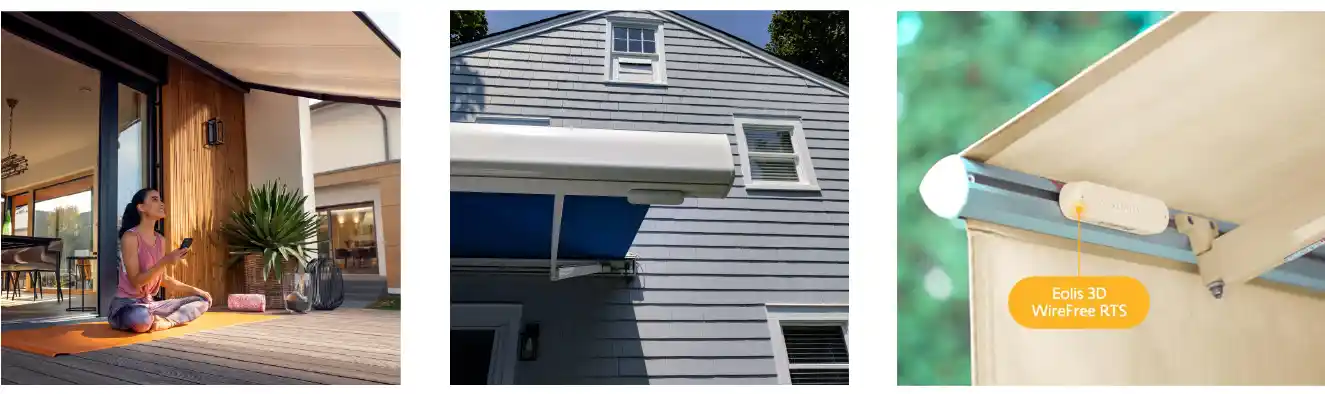
A motorized awning with wind sensor uses an electric motor to extend and retract the awning, then adds an automated weather response. When wind reaches a set threshold, the sensor signals the awning to retract. That matters because retractable awnings are designed for shade and light weather management, not for handling strong wind loads while fully extended.
In practical terms, the sensor acts like a safeguard when you are not standing nearby with a remote in your hand. Homeowners like it because it protects the awning during sudden weather changes. Commercial operators like it because staff are not always available to monitor patio conditions every minute of the day.
This is where automation becomes a real value feature, not just a luxury add-on. If your awning covers a larger projection, a windy exposure, or a busy commercial outdoor area, automatic retraction can make a noticeable difference in long-term performance.
Why wind protection matters more than most buyers expect
Many buyers focus first on fabric color, frame style, and how much shade they want. Those details matter, but wind is what often determines how well the system holds up over time. A retractable awning has moving parts, tension points, and mounting hardware that all perform best when the unit is used within proper conditions.
Even moderate gusts can create strain, especially on larger awnings or installations on open backyards, rooftops, lake-facing properties, and exposed commercial fronts. One windy afternoon will not always destroy an awning, but repeated stress can shorten the life of the fabric, arms, motor components, and mounting structure.
That does not mean a wind sensor makes the awning indestructible. It simply adds an extra layer of protection. The sensor helps the awning react faster than many owners would on their own, especially when weather changes suddenly or the property is empty.
Who should consider this upgrade
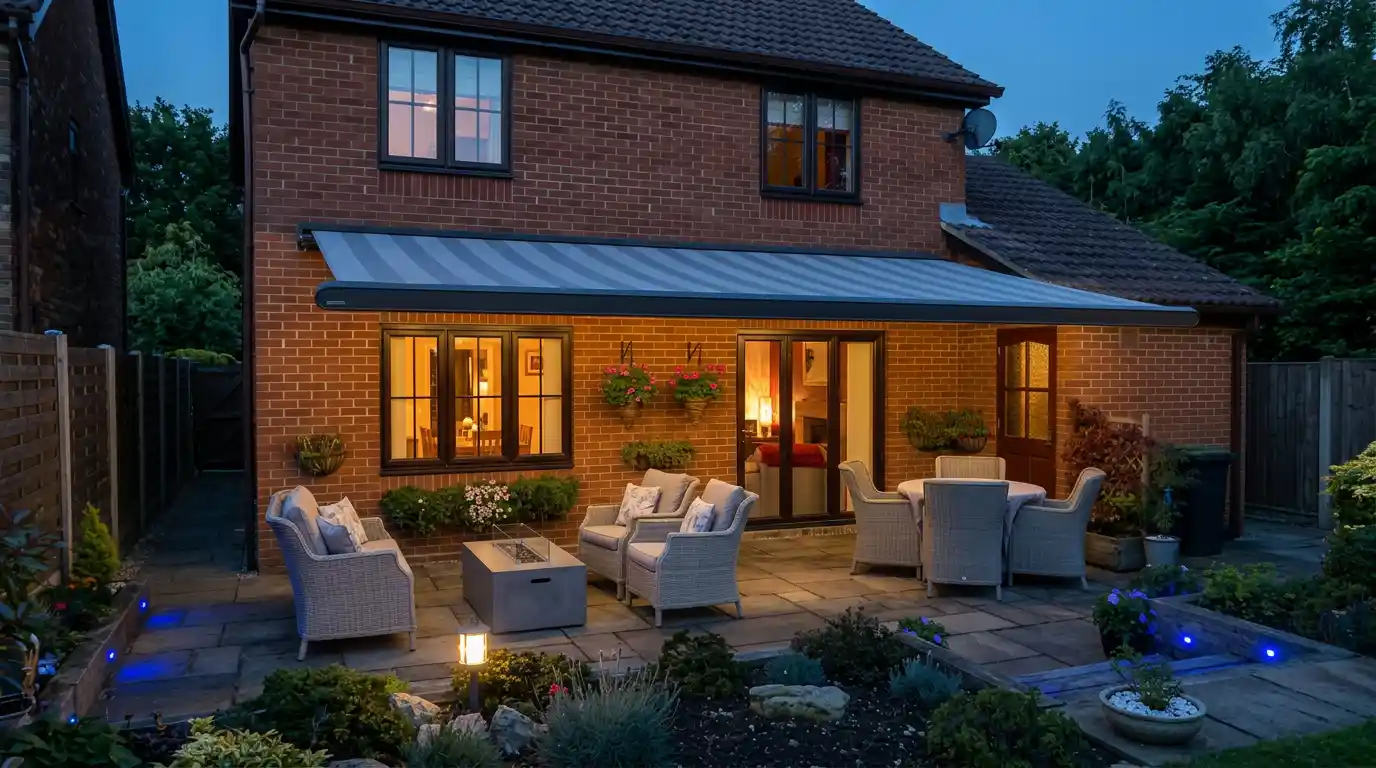
This feature makes the most sense for buyers who want convenience, but it is especially smart for buyers with higher exposure or higher usage. If your patio gets regular wind gusts, if your awning is installed in a location you cannot constantly monitor, or if your outdoor area is part of a business operation, automation is easier to justify.
For homeowners, the biggest benefit is peace of mind. You can enjoy your deck, seating area, or poolside space without worrying as much about running outside every time the weather shifts. For restaurants and cafes, it helps protect a revenue-generating patio area and reduces reliance on staff to manually manage the system.
It is also worth considering if the awning is large. Bigger units create more shade and stronger visual impact, but they also have more surface area catching wind. In those cases, the sensor becomes even more valuable.
The trade-offs to know before you buy
A motorized awning with wind sensor is not automatically the right choice for every project. The biggest trade-off is cost. Motorization and sensor integration add to the initial price, and that can matter if you are focused on a tighter budget or outfitting a large commercial space with multiple units.
There is also the question of how the system will be used. Some buyers only extend their awning occasionally and are comfortable retracting it manually when needed. Others use the space daily and want a system that does more of the work automatically. That usage pattern should guide the decision.
You also need realistic expectations. A wind sensor helps protect the awning, but it does not turn a retractable awning into a permanent all-weather roof. Strong storms, heavy snow, and extreme weather still require proper operation and common sense. The sensor is a smart safeguard, not a substitute for correct product selection or professional installation.
 How installation affects performance
The quality of the awning matters, but so does the way it is mounted, programmed, and adjusted. A well-built system can still perform poorly if it is installed without attention to structure, pitch, projection, clearances, or exposure conditions.
That is why custom consultation matters with motorized systems. The installer should look at the wall structure, patio orientation, wind exposure, intended use, and electrical planning before recommending a setup. A good fit on paper is not enough. The awning needs to be matched to the property.
For example, a sheltered backyard may need a different approach than a second-story deck or an exposed restaurant frontage. Sensor settings also need to make sense for the location. If the threshold is too sensitive, the awning may retract more often than you want. If it is not sensitive enough, you lose some of the benefit.
Professional installation also protects the investment from the start. Proper mounting is critical because all the force of extension, retraction, and wind pressure transfers back into the structure.
Choosing the right awning style for automation
Not every awning project is identical, and the right product depends on how you plan to use the space. Folding arm retractable awnings are a common fit for patios, decks, and restaurant seating areas because they provide broad coverage without vertical posts blocking the area below. Full-cassette styles add more protection by enclosing the fabric and arms when retracted, which can be a strong option for buyers focused on appearance and longer-term component protection.
If you want a cleaner look and frequent daily use, motorization pairs especially well with these premium systems. The operation feels easier, the awning retracts neatly, and the overall experience is better for both residential and commercial settings.
That said, if your project needs more constant weather coverage, a pergola or another more permanent overhead structure may be a better solution. This is one of those situations where the right answer depends on the property, not just the feature list.

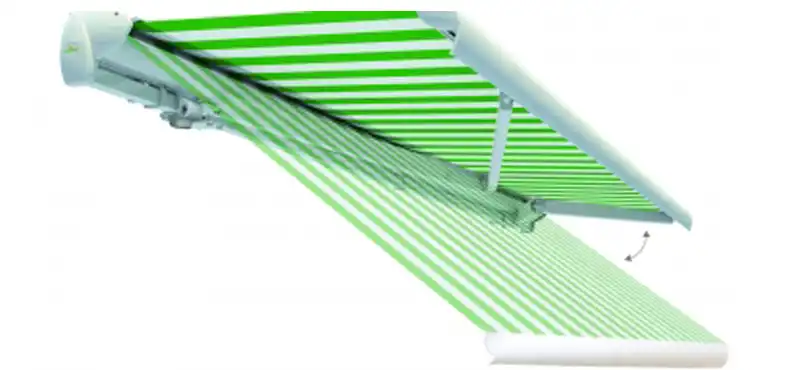
Retractable Awnings
These can be extended or retracted, offering flexibility in how much shade or coverage you need. Ideal for patios or decks.
Fixed Electric Awnings
These remain in a fixed position but can still be controlled to adjust the angle for sunlight or rain protection.

Full Cassette Awnings
These models have the fabric and arms completely enclosed in a cassette when retracted, protecting them from weather elements.

Semi-Cassette Awnings
Only part of the fabric is enclosed, providing moderate protection while being more affordable than full cassette models.
What to ask before you move forward
Before choosing a motorized awning with wind sensor, ask how the awning will be used, how exposed the site is, and what level of automation you really want. You should also ask about the motor brand, sensor responsiveness, warranty coverage, and whether replacement parts and service are available locally.
For buyers in the GTA, this is where working with an experienced installer matters. A local company can assess wind exposure, recommend the right projection and mounting setup, and make sure the product suits North American conditions instead of just looking good in a catalog. At Welda Solar Shading Systems, that project-based guidance is a major part of helping clients choose the right fit instead of overspending or underbuying.
If possible, see product options in person. A showroom visit can help you compare cassette styles, frame finishes, fabric choices, and automation features with better clarity than photos alone.
When this upgrade is worth the money
If your awning is a serious part of how you use your outdoor space, this upgrade is often worth it. The value is strongest when the awning is large, the area is exposed, or the patio supports regular entertaining or business use. In those cases, the sensor adds practical protection and reduces the chance that a moment of inattention turns into a repair bill.
If your usage is occasional and the patio is naturally sheltered, a manual awning or motorized unit without advanced automation may still be enough. There is no single answer for every property. The best choice depends on your layout, your habits, and how much risk you want to remove from the equation.
A good awning should make outdoor space easier to use, not harder to manage. If wind is part of the equation where you live or operate, adding smart retraction is a simple way to make that investment work harder every season.
How to Identify Your Brand
| If your remote looks like this… | …then your brand is: |
| White/Grey with a “my” button in the center and a small “PROG” button on the back. | Somfy (RTS) |
| Simple black or white rectangle with “ALEKO” printed clearly on the front or back. | ALEKO |
| Square white remote with circular buttons; might say “Hz” on it. | Simu |
| Sleek, slim white/silver wand with a logo that looks like a “smile” or says “Nice”. | Nice (Brasilia) |
| Glossy white with “Alpha” logo; often has a battery icon or “Safety Pulse” text. | Alpha |