Can Awnings Withstand Wind? What to Know
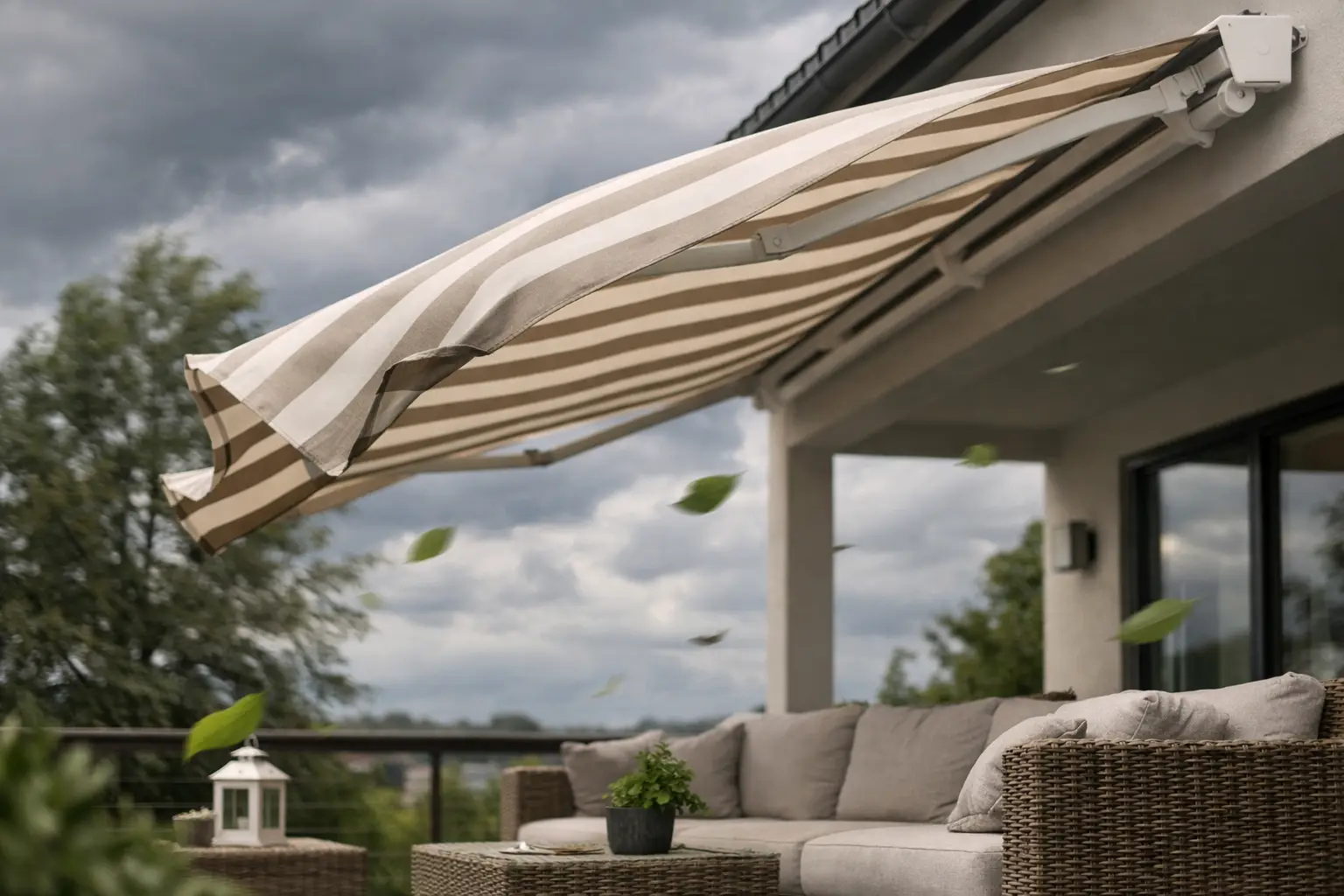
A calm patio can turn into a wind tunnel faster than most people expect. That is usually when the real question comes up: can awnings withstand wind, or are they only meant for sunny, still days?
The honest answer is yes, awnings can handle wind – but only up to a point, and that point depends on the awning type, size, installation quality, and how exposed the location is. If you are choosing an awning for a backyard, balcony, storefront, or restaurant patio, wind resistance should be part of the buying decision from day one, not something you think about after installation.
Can awnings withstand wind in everyday conditions?
In normal outdoor conditions, a properly built and professionally installed awning should handle light to moderate wind without a problem. That is what quality systems are designed for. Awnings are not delicate accessories when they are engineered correctly. They are structural shading products with frames, arms, mounting brackets, and fabric tension systems that all work together.
What causes trouble is the assumption that all awnings perform the same way. They do not. A small retractable awning installed under some natural shelter will face very different wind pressure than a wide projection awning mounted on an exposed commercial facade. The larger the surface area, the more force the wind can place on the fabric and frame.
This is why there is no one-size-fits-all answer. If you want reliable performance, you need the awning matched to the space and the weather exposure.
What affects whether awnings can withstand wind?
Awning style makes a big difference
Retractable awnings, fixed awnings, drop shade systems, and pergola-style covers do not respond to wind in the same way. A retractable awning offers flexibility because it can be closed when weather shifts. That is a major advantage. A fixed awning is always exposed, so its frame and anchoring become even more critical.
Pergolas and louvered systems are often stronger in wind than fabric-only shade products, especially when built with aluminum framing. But even then, the design matters. A pergola with integrated screens or accessories may have different wind limitations than an open-frame structure.
For homes and businesses that want shade with control, retractable systems are often the practical middle ground. You get strong sun protection without leaving the structure exposed during rough weather.
Size and projection increase wind load
A wider awning with a longer projection creates more shaded space, but it also catches more wind. That does not mean large awnings are a bad idea. It means they need stronger engineering, proper pitch, and secure mounting.
This is especially relevant for restaurant patios and large rear decks. A system that looks impressive on paper may underperform if the wall structure, bracket placement, or product class is not suited for the span.
Installation matters as much as the product
A well-made awning can still fail if it is installed poorly. This is one of the biggest issues in wind-related damage. The hardware needs to be anchored into the right structural substrate, not just attached to surface materials. The mounting points need to match the load requirements of the awning size and type.
That is why professional measurement and installation are not extras. They are part of the product performing the way it should. For high-use residential patios and commercial spaces, this is where long-term value is built.
Site exposure changes everything
Two identical awnings can perform very differently depending on where they are installed. A backyard with fencing, neighboring homes, and mature trees may be fairly protected. A rooftop terrace, corner unit, lakefront property, or open commercial frontage may deal with much stronger gusts.
Wind does not hit every property evenly. It swirls around buildings, accelerates through narrow passages, and gets more aggressive at higher elevations. That is why an on-site assessment matters. You are not just buying an awning. You are buying a system for a specific environment.
When should an awning be retracted?
Even if awnings can withstand wind in normal conditions, retractable models should still be closed during strong gusts, storms, or changing weather. This is not a weakness. It is part of how the product is meant to be used.
Think of a retractable awning as adjustable protection, not permanent storm equipment. It is there to improve comfort, reduce heat, and expand usable outdoor space. Once wind speeds climb beyond safe operating levels, retraction protects both the awning and the building.
Motorized systems make this much easier. Instead of running outside when the weather turns, you can retract the awning quickly with a remote or wall switch. Some systems can also be paired with wind sensors that trigger automatic retraction. For busy homeowners and commercial operators, that feature adds real value. It reduces risk and removes the guesswork.
Are some awnings better for windy areas?
Yes. If your property regularly deals with gusty conditions, product selection should be more specific.
Full-cassette retractable awnings are often a smart option because the fabric and arms are enclosed when retracted, which protects the system when not in use. Heavy-duty folding arm models can also be a good fit when paired with the right mounting setup. For customers who need a more permanent and structurally substantial solution, aluminum pergolas or louvered roof systems may offer better stability than standard fabric awnings alone.
Commercial spaces often need even more planning. A restaurant patio awning has to do more than create shade. It may affect seating capacity, customer comfort, and daily operations. In that case, wind resistance is not just a product feature. It is a business consideration.
Common mistakes that lead to wind damage
The first mistake is leaving a retractable awning open when weather is clearly turning. Sudden gusts place stress on the arms and front bar quickly, especially if rain adds extra weight.
The second is choosing based on price alone. Lower-cost products can be tempting, but lighter components and weak mounting plans usually show their limits sooner. Awnings are one of those products where long-term performance depends heavily on frame quality and installation standards.
The third is treating all locations the same. A covered suburban patio and a windy commercial corner are not equal conditions, even if the awning dimensions are similar.
What homeowners and business owners should ask before buying
A better question than simply asking if awnings can withstand wind is this: how much wind can this specific awning handle in my specific location?
That shifts the conversation in the right direction. You want to ask about product class, mounting requirements, projection, automation options, and whether a wind sensor makes sense. You also want to know what the manufacturer recommends for operation during changing weather.
If you are investing in an outdoor upgrade, the goal is not just appearance. It is dependable use. Shade should make your patio or storefront easier to enjoy and easier to operate, not more stressful to manage.
For property owners who want guidance on that balance, working with an experienced supplier-installer matters. A company like Welda Solar Shading Systems can assess exposure, recommend the right product type, and install it for real outdoor conditions rather than showroom assumptions.
The practical answer to the wind question
So, can awnings withstand wind? Yes, quality awnings absolutely can handle everyday wind when they are well designed, correctly sized, and professionally installed. But no awning should be treated as invincible, especially in strong gusts or storms.
The right approach is simple. Choose a system built for your space, understand its operating limits, and use retraction when weather calls for it. That gives you the best mix of comfort, durability, and peace of mind.
If you are planning a new awning, it helps to think beyond fabric and shade color. Wind exposure, automation, and installation quality will have just as much impact on how satisfied you are a year from now. A good awning should make outdoor living easier, not leave you watching the forecast every afternoon.