How to Choose Patio Awning for Your Space
A patio that gets too hot by noon, stays damp after a light rain, or feels unusable for half the season usually has the same problem – not enough shade in the right place. If you are wondering how to choose patio awning options that actually improve comfort and hold up over time, the decision comes down to more than picking a fabric color. You need the right size, the right operation, and the right system for your layout, weather exposure, and daily use.
How to choose patio awning based on how you use the space
Start with the job the awning needs to do. That sounds obvious, but many buyers shop by appearance first and end up with a system that looks good yet falls short on coverage or convenience.
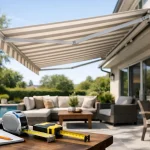
For a home patio, the main goal is often cooling the seating or dining area, reducing glare, and making the space more comfortable in midsummer. In that case, a retractable awning is usually the most practical choice because it gives you shade when you want it and open sky when you do not. If your patio is used for entertaining, size and projection matter more than decorative details.
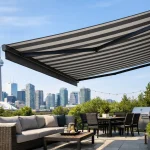
For a balcony or smaller deck, space limits often make a compact retractable design the better fit. You want enough extension to cover the sitting area without overwhelming the exterior. On tighter facades, the hardware dimensions and mounting conditions become just as important as the fabric.
For restaurants, cafes, and commercial patios, the priority shifts slightly. Shade still matters, but so do customer comfort, weather flexibility, and usable square footage. In that setting, a larger retractable system, a restaurant patio awning, or even a pergola with added screens and lighting may deliver better value than a basic manual awning. The best choice depends on how long the patio needs to stay operational through changing weather.
Choose the right awning type first
Before you compare finishes or accessories, narrow the category. Different awning styles solve different problems.
Retractable awnings
Retractable awnings are the most popular option because they balance flexibility and coverage. They can extend when the sun is strongest and retract during storms, high winds, or colder months. That makes them a strong fit for most residential patios and many commercial applications.
If you want broad coverage without permanent overhead framing, folding arm awnings are often the right answer. They project outward cleanly and keep the area below open, which is ideal for dining and lounging spaces.
Full-cassette systems
A full-cassette awning protects the fabric and arms inside a housing when retracted. That added protection usually means a cleaner appearance and better long-term performance, especially in climates with frequent weather shifts. The trade-off is price. You pay more upfront, but many buyers find it worthwhile when durability and appearance are top priorities.
Manual vs. motorized awnings
Manual systems can be cost-effective and reliable for smaller installations. They work well when the awning is easy to reach and used occasionally.
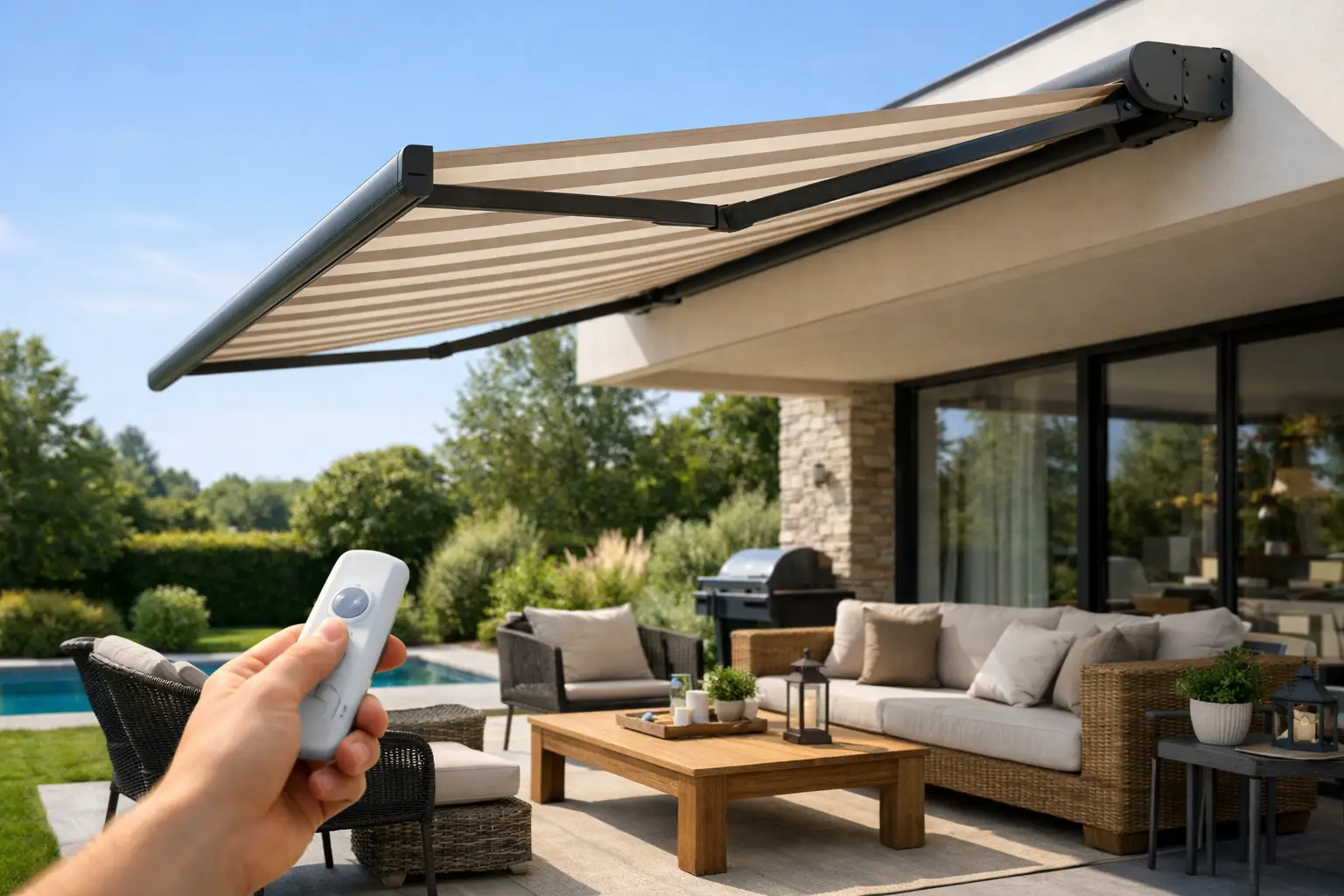
Motorized awnings make more sense when the unit is large, used daily, or installed in a commercial setting. They are easier to operate, more likely to be used consistently, and can be paired with wind or sun sensors for added convenience. If you already know you want comfort with minimal effort, motorization is usually worth serious consideration.
Pergolas and drop shade systems
Sometimes the right answer is not a traditional awning at all. If you need more structural coverage, year-round visual impact, or side protection from low sun and wind, a pergola or drop shade system may be the better investment. This matters especially for exposed backyards, rooftop spaces, and hospitality patios where overhead shade alone is not enough.
Size matters more than most buyers expect
A patio awning that is too small does not solve the problem. One that is too large for the wall or projection area can create installation issues and look out of scale.
Width should match the area you actually use, not just the width of the patio slab. If your dining set sits to one side or your seating zone is centered under a particular door, the awning should be sized around that living area. Projection is just as important because that is what determines how much midday sun is blocked.
There is also a practical limit based on mounting surface, pitch, height clearance, and the wall construction itself. Brick, concrete, wood framing, soffits, and overhangs all affect what can be installed safely. This is one reason custom measurement and professional site review matter. On paper, several sizes may seem suitable. On your actual property, only one or two may be the right fit.
Fabric, frame, and weather resistance
When people ask how to choose patio awning products, they often focus on style first. Style matters, but weather performance matters more.
The fabric should resist fading, mildew, and moisture while still looking sharp after constant sun exposure. A good awning fabric also helps reduce heat below the canopy without becoming flimsy or difficult to maintain. If your patio gets strong afternoon sun, fabric quality directly affects comfort.
Frame construction matters just as much. Look for strong, corrosion-resistant components designed for outdoor use. In North American conditions, the system has to deal with heat, rain, wind, and seasonal wear. A lower-cost frame may save money initially, but if the arms weaken, the finish breaks down, or the hardware struggles after a few seasons, the savings disappear fast.
This is where product quality and installation quality meet. Even a good awning can underperform if it is poorly mounted or incorrectly pitched.
Match features to real use, not wish lists
Extra features can add real value, but only when they match how you use the space.
Lighting is useful if you entertain at night or run a commercial patio into evening hours. Integrated heaters can stretch the season and improve comfort in spring and fall. Wind sensors are practical for motorized systems because they help protect the awning when weather changes quickly. Privacy shades and insect screens make more sense when side exposure is a regular problem, not just an occasional annoyance.
The mistake is loading up a project with features that sound appealing but do not improve daily use. A better approach is to decide what would make the patio noticeably more comfortable and more usable, then build around that.
Think about maintenance and long-term value
The cheapest awning is rarely the least expensive option over time. Patio shading is a long-term purchase, so ease of maintenance, replacement parts, warranty support, and service access all matter.
A retractable system that protects its fabric when closed may stay cleaner and age better. A motorized unit from a supplier that supports parts and service may be the safer choice than a lower-priced system with limited follow-up. For commercial buyers, downtime matters too. If a restaurant patio system fails during the busy season, the cost is not just repair – it is lost seating and lost revenue.
That is why professional guidance is useful during the buying stage. A showroom visit, product comparison, and on-site consultation can prevent expensive mismatches before installation begins. Companies like Welda Solar Shading Systems focus on custom-fit recommendations because awnings are not one-size-fits-all products.
What to ask before you buy
The best buying conversations usually come down to a few practical questions. How much shade do you need at the hottest time of day? Do you want manual or motorized operation? Is the mounting surface suitable for the size you want? Will the awning stay exposed when closed, or do you want cassette protection? Are you buying for occasional leisure use, daily family use, or revenue-generating commercial use?
If the answers are still vague, that is a sign not to buy yet. It usually means you need measurement help, product guidance, or a better understanding of how the patio functions in real conditions.
The best patio awning is the one that fits your property
There is no single best awning for every patio. A sleek full-cassette motorized unit may be perfect for one backyard and unnecessary for another. A large commercial-grade system may be ideal for a restaurant and excessive for a small residential deck. The right choice depends on layout, sun exposure, weather conditions, and how often the space needs to perform.
If you treat the purchase like a comfort upgrade instead of a decorative add-on, the decision gets much easier. Start with function, confirm the structure, choose features that you will actually use, and invest in a system built for the way your outdoor space works. A well-chosen awning does more than add shade – it gives you a patio you will use far more often.