Full Cassette Awning Review: Worth It?
A retractable awning can look great on day one and still become a disappointment by season three if the fabric fades, the arms wear early, or the housing leaves key parts exposed to weather. That is why a full cassette awning review matters more than the brochure photos. If you are comparing patio shading options for a home, restaurant, or commercial frontage, the real question is not whether a full cassette system looks better. It is whether the extra protection and cleaner design justify the higher price.
For many buyers, the answer is yes. But not for everyone.
Full cassette awning review: what you are actually buying
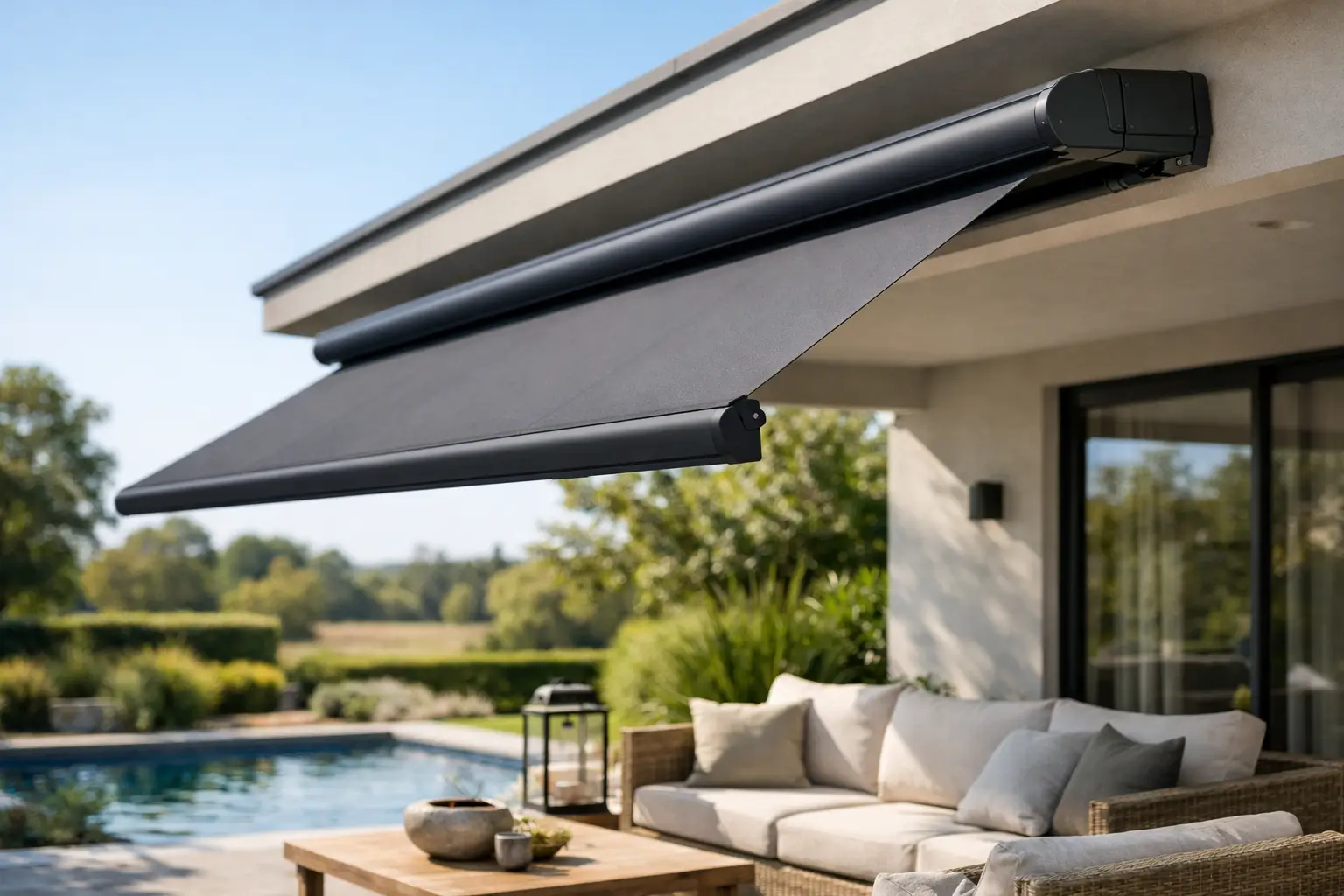
A full cassette awning is a retractable awning designed so the fabric, arms, and moving components close completely inside an aluminum housing when the system is retracted. That is the key difference. On a semi-cassette or open system, some parts remain partially exposed.
That enclosed design gives a full cassette model its strongest selling point – protection. The fabric is shielded from sun, rain residue, dirt, and debris when not in use. The arms and mechanisms also stay cleaner and better protected, which can help preserve appearance and reduce wear over time.
From a visual standpoint, full cassette units usually have a more finished look. When closed, they appear compact and architectural instead of mechanical. That matters for homeowners who want a cleaner patio line and for commercial properties that need shading without making the storefront look cluttered.
Where full cassette awnings perform best
If your patio gets regular sun exposure, wind-driven dust, tree debris, or frequent weather changes, a full cassette system starts to make more sense. The housing helps protect the parts that age fastest. In climates with strong seasonal swings, that added protection becomes more than a design upgrade.
This is especially true for properties that do not use the awning every day. A system that spends long periods retracted benefits from being fully enclosed. You are not leaving fabric edges and arm joints exposed month after month.
For restaurants and cafes, the value is slightly different. A full cassette unit supports a more polished appearance, which can matter if your patio is customer-facing. It also helps protect a larger investment if the awning is part of your revenue-producing outdoor space.
The biggest advantages in a real-world setting
The first advantage is durability. Not because a full cassette awning is indestructible, but because shielding the fabric and moving parts from constant exposure generally helps preserve them. Sun is hard on textiles. Dirt and moisture are hard on mechanisms. A closed housing reduces that daily abuse.
The second advantage is appearance. Full cassette systems tend to suit modern homes, condo terraces, retail fronts, and hospitality spaces because they look intentional. When retracted, the awning does not dominate the wall.
The third advantage is lower visible maintenance. You still need to clean the fabric and inspect the system, but a protected awning often looks cleaner between service intervals. For busy property owners, that convenience has value.
Motorization is another area where full cassette units often shine. These systems are commonly paired with motors, wind sensors, and remote controls, making them a practical choice for buyers who want easier day-to-day use. If you are investing in automation, it often makes sense to pair it with a higher-end awning structure.
The trade-offs most buyers should know
Price is the obvious one. A full cassette awning usually costs more than a semi-cassette or open design because of the added engineering, materials, and finish. If budget is the main driver, the premium may feel hard to justify.
There is also the matter of installation requirements. Because these systems are often heavier and more refined in fit, they need proper mounting and accurate sizing. This is not a product category where poor installation gets hidden. If the pitch, projection, or wall support is wrong, performance suffers quickly.
Another trade-off is expectation management around weather. A full cassette awning offers better protection when closed, but it is still a retractable awning, not a permanent roof. It can provide shade and light rain coverage depending on the model and pitch, but it should not be treated like a structure designed for severe weather loads.
That distinction matters. Buyers sometimes assume a more premium awning can stay out in any condition. It cannot. The right system, properly installed, performs very well within its intended use. Outside of that, good operation habits matter just as much as product quality.
Full cassette awning review: is it worth the extra cost?
It depends on how you use your outdoor space and how long you plan to keep the property.
If you want a basic shade solution for occasional use, an open or semi-cassette model may be enough. If the awning is installed in a somewhat sheltered location and your priority is upfront savings, paying more for a full cassette may not deliver the same return.
If you care about long-term appearance, reduced exposure, motorization, and a cleaner finished look, the higher price is easier to defend. The cost difference is often justified by better protection, stronger curb appeal, and a more premium overall result.
For homeowners upgrading a deck or patio, this usually becomes a value decision rather than a pure price decision. For commercial buyers, it often comes down to image, frequency of use, and asset protection. A customer-facing patio benefits from equipment that looks clean when open and closed.
What to check before you buy
A good full cassette awning is not only about the cassette. You also need to look at fabric quality, arm strength, frame finish, motor options, and the installer behind the project.
Fabric matters because that is what you see and what takes the most environmental stress. Frame quality matters because the awning has to stay stable during operation. Motor quality matters because convenience disappears fast if operation becomes inconsistent.
You should also check projection, width, pitch adjustment, and mounting conditions. The wrong size or angle can leave you with too little shade at the wrong time of day. That is why custom sizing and site-specific guidance are usually worth it.
Warranty coverage is another practical checkpoint. Not all warranties are equal, and not all service support is equal after installation. Ask what is covered, for how long, and what support looks like if a motor, sensor, or component needs attention later.
Best fit for homes vs. businesses
For homes, full cassette awnings are a strong match for patios, decks, terraces, and backyard entertaining areas where appearance matters almost as much as function. They are especially appealing when homeowners want the awning to blend into the exterior instead of looking like an add-on.
For businesses, the calculation is more operational. Restaurants, cafes, and retail properties often need shade that improves comfort without hurting the look of the facade. A full cassette system can support brand presentation while also making outdoor seating more usable.
That said, not every commercial site needs one. If the space is highly exposed, used aggressively, or needs heavier all-weather coverage, another shading structure may be a better fit. A retractable awning is excellent in the right application, but there are cases where pergolas or more structural systems make better business sense.
The final verdict
This full cassette awning review comes down to one clear point: if you want a retractable awning that looks better, stays better protected when closed, and supports a more premium outdoor setup, a full cassette model is usually worth serious consideration. It is not the cheapest option, and it is not the right answer for every budget or site. But for buyers who value durability, design, and cleaner day-to-day ownership, it is often the smarter long-term investment.
The best results come from matching the awning to the space, the exposure level, and the way you actually plan to use it. That is where professional guidance makes a real difference. If you are comparing options for a home or business in Toronto or the GTA, Welda Solar Shading Systems can help you sort through sizing, motorization, fabric choices, and installation details so you end up with a system that performs well long after the first sunny weekend.