Do Awnings Reduce Indoor Heat? Yes – Here’s How
A west-facing room can feel fine at noon and unbearable by 4 p.m. That is usually not an insulation problem. It is a solar gain problem. If you are asking, do awnings reduce indoor heat, the short answer is yes – often noticeably – because they stop sunlight before it reaches the glass.
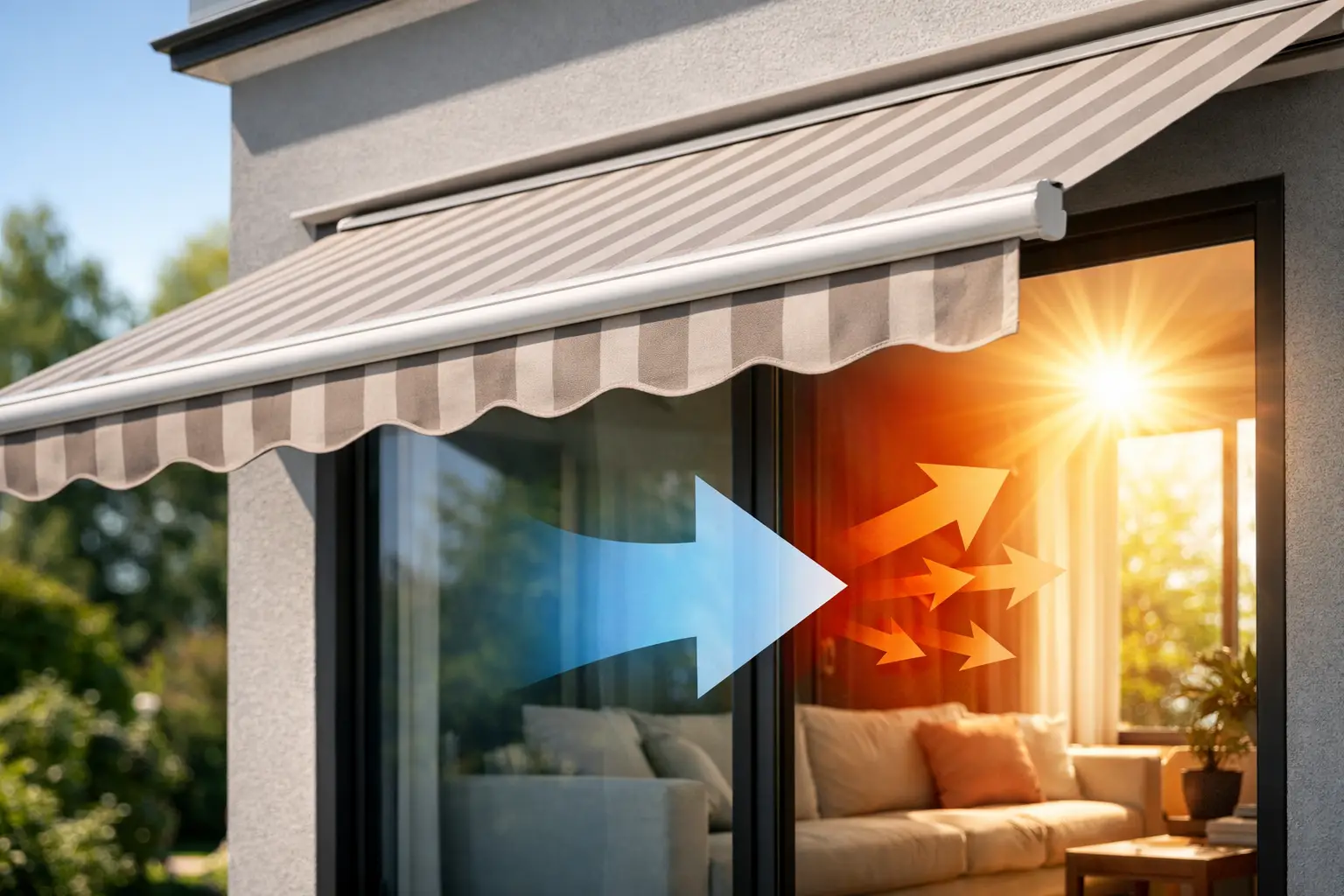
That last part matters. Once the sun passes through a window or hits a patio door, the heat is already inside the envelope of the building. Curtains and blinds can help with glare, but exterior shading works earlier in the process. A properly sized awning blocks direct sun at the source, which can make rooms more comfortable, reduce AC strain, and improve how usable that side of the home or business feels during hot weather.
Why awnings reduce indoor heat more effectively than interior coverings
Glass is one of the biggest entry points for unwanted heat. When direct sunlight hits uncovered windows, sliding doors, storefront glass, or restaurant frontage, indoor temperatures rise fast. That is why sun-facing rooms often feel hotter than the rest of the property even when the thermostat setting is the same.
An awning creates a barrier outside the building. It shades the glass, the frame, and often part of the wall surface around it. That lowers the amount of radiant heat entering the space and reduces the greenhouse effect that happens when sunlight gets trapped indoors.
Interior shades still have value, but they are reacting after the sun has already reached the window. Exterior systems are more proactive. For homeowners, that can mean a cooler kitchen, family room, or second-floor bedroom. For commercial spaces, it can mean more comfortable customer seating near front windows and less heat buildup around entry areas.
 Do awnings reduce indoor heat in every situation?
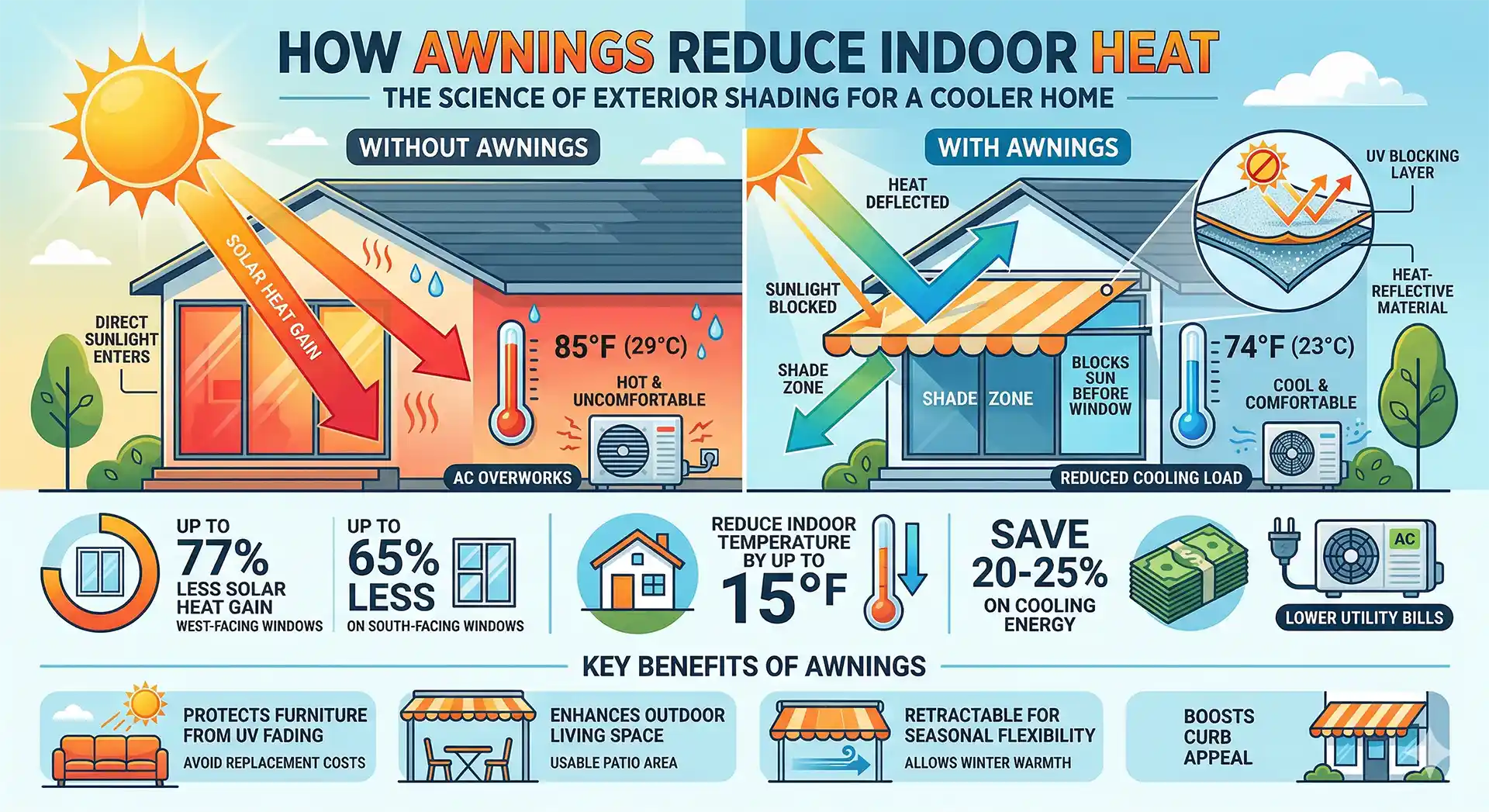
Yes, but the level of improvement depends on exposure, product type, and installation. A south- or west-facing wall with broad glass usually sees the strongest benefit because it receives the most intense direct sun. A shaded north-facing window may see less dramatic results.
Size also matters. A small awning over a large opening will provide some shade, but it may not block enough of the sun angle during peak afternoon hours. A custom-fit system designed for the width, projection, and orientation of the opening performs better because it is matched to the actual heat problem.
Fabric, frame design, and whether the awning is fixed or retractable all play a role too. Lighter fabrics can reflect more sunlight, while denser materials can improve shade coverage. Retractable models add flexibility, which is useful when you want sun in cooler months and shade in hotter ones.
So the honest answer is not just yes. It is yes, when the awning is selected and installed with the building, the sun path, and the intended use in mind.


Where awnings make the biggest difference
The strongest heat reduction usually happens over windows, patio doors, and large glazed openings that collect direct sun for long stretches of the day. In residential settings, that often means rear patio doors, breakfast nooks, sunrooms, upper-story windows, and living areas with strong afternoon exposure.
In commercial settings, awnings are especially useful for storefronts, restaurants, cafés, and hospitality spaces with glass-heavy frontages. If the sun hits customer seating, waiting areas, or display zones, indoor comfort can drop quickly. Exterior shading helps stabilize that environment while also improving curb appeal.
This is one reason retractable awnings are popular for both homes and businesses. They do two jobs at once. They improve the outdoor area by creating shade on patios and decks, and they help reduce heat transfer through nearby glass openings.
The practical benefits beyond temperature
A cooler room is the obvious benefit, but it is not the only one. When direct sun is reduced, glare also drops. That makes TV rooms easier to use, home offices more comfortable, and customer-facing spaces less harsh during bright afternoon hours.
Furniture, flooring, and merchandise also get some protection. Constant UV exposure can fade fabrics, wood finishes, and display materials over time. Awnings help reduce that wear by cutting direct sunlight before it reaches the interior.
There is also the issue of HVAC demand. If one side of the building is constantly overheating, the air conditioning system works harder to compensate. While results vary by building and season, reducing solar heat gain can ease that load and improve comfort consistency from room to room.
Retractable vs. fixed awnings for heat control
Both can help, but they serve slightly different needs.
Fixed awnings provide constant coverage. They are a strong fit where the goal is permanent shade over a specific opening, especially in commercial applications or areas where sun control is needed most of the year. They are straightforward and dependable, but they do not offer flexibility.
Retractable awnings give you more control. You can extend them during hot, bright periods and retract them when you want more daylight or open-sky visibility. For homeowners, that flexibility is a major advantage. For business owners, motorized retractable systems can make it easier to adapt the space throughout the day without manual effort.
If the objective is to reduce indoor heat without giving up seasonal choice, retractable systems are often the better long-term solution.
What to look for if reducing indoor heat is the priority
If heat reduction is your main goal, the awning should not be chosen on appearance alone. It needs to fit the problem correctly.
Start with orientation. East-facing openings get morning sun, west-facing openings get more intense late-day heat, and south-facing openings may need broad daytime coverage. Then look at the size of the glass area, how far the sun reaches into the room, and whether the space is used heavily during peak sun hours.
Projection is a big factor. A shallow awning may create some shade near the top of the window but still allow deep sun penetration later in the day. A larger projection often improves performance, especially over wide patio doors or commercial frontage.
Motorization can also add value. With a motorized awning, you are more likely to use the shade consistently because operation is easy. That sounds simple, but convenience affects real-world performance. A system that is effortless to extend is a system that gets used when it should.
Why professional installation matters
Even a good awning can underperform if it is mounted too high, sized too narrowly, or installed without regard to sun angles. Heat control is partly about product quality, but it is also about placement.
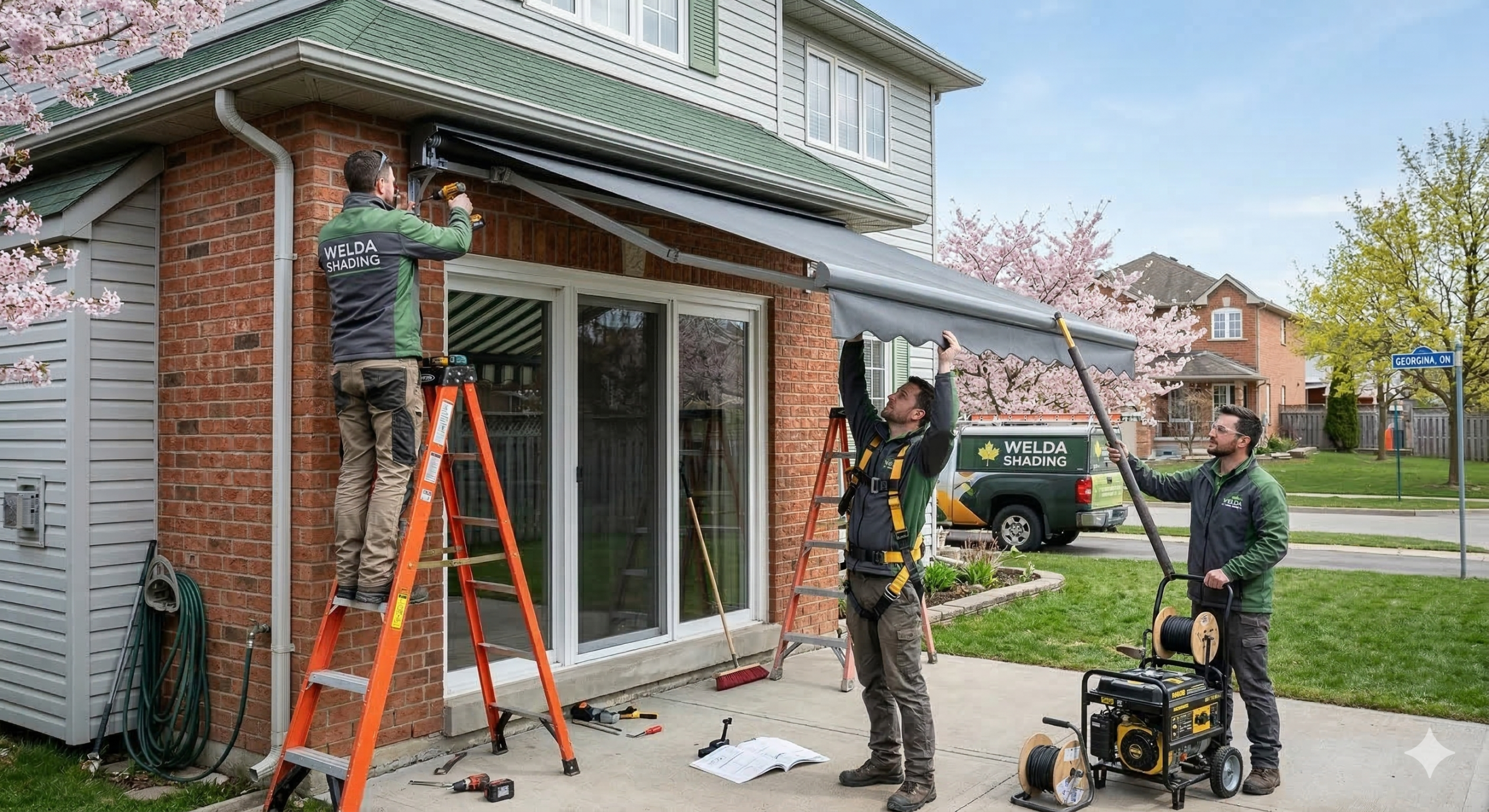
That is where consultation matters. A professional installer can assess exposure, measure the opening correctly, and recommend the right width and projection for your goals. For larger homes, custom backyard spaces, and commercial patios, this becomes even more important because each layout behaves differently in the sun.
For property owners comparing options, working with an experienced shading specialist can prevent the common mistake of buying for looks first and performance second. Awnings should complement the building, but they also need to solve a practical problem.
Do awnings reduce indoor heat enough to be worth it?
For many properties, yes. If you have rooms that overheat in summer, windows that get blasted in the afternoon, or a commercial frontage that becomes uncomfortable during sunny hours, an awning can make a meaningful difference. It will not replace insulation, window upgrades, or mechanical cooling where those are needed, but it can reduce heat gain in a direct and efficient way.
The value becomes even clearer when the same system improves outdoor comfort too. A retractable awning over a patio or deck does not just help inside the building. It expands usable exterior space, improves shade where people gather, and adds convenience when paired with motorized controls and custom sizing.
At Welda Solar Shading Systems, that is usually the real conversation – not whether awnings work, but which awning will work best for the way you use your space.
If your home or business heats up every time the sun hits the glass, the fix may be simpler than you think. Stop the sun outside, and the room inside has a much better chance of staying comfortable.