Folding Arm Awning Guide for Smart Buyers
A patio that is too hot at noon and useless in light rain usually does not need a full renovation. In many cases, it needs the right retractable shade. This folding arm awning guide is built for homeowners and commercial buyers who want real coverage, cleaner design, and fewer mistakes when comparing options.
What a folding arm awning actually does
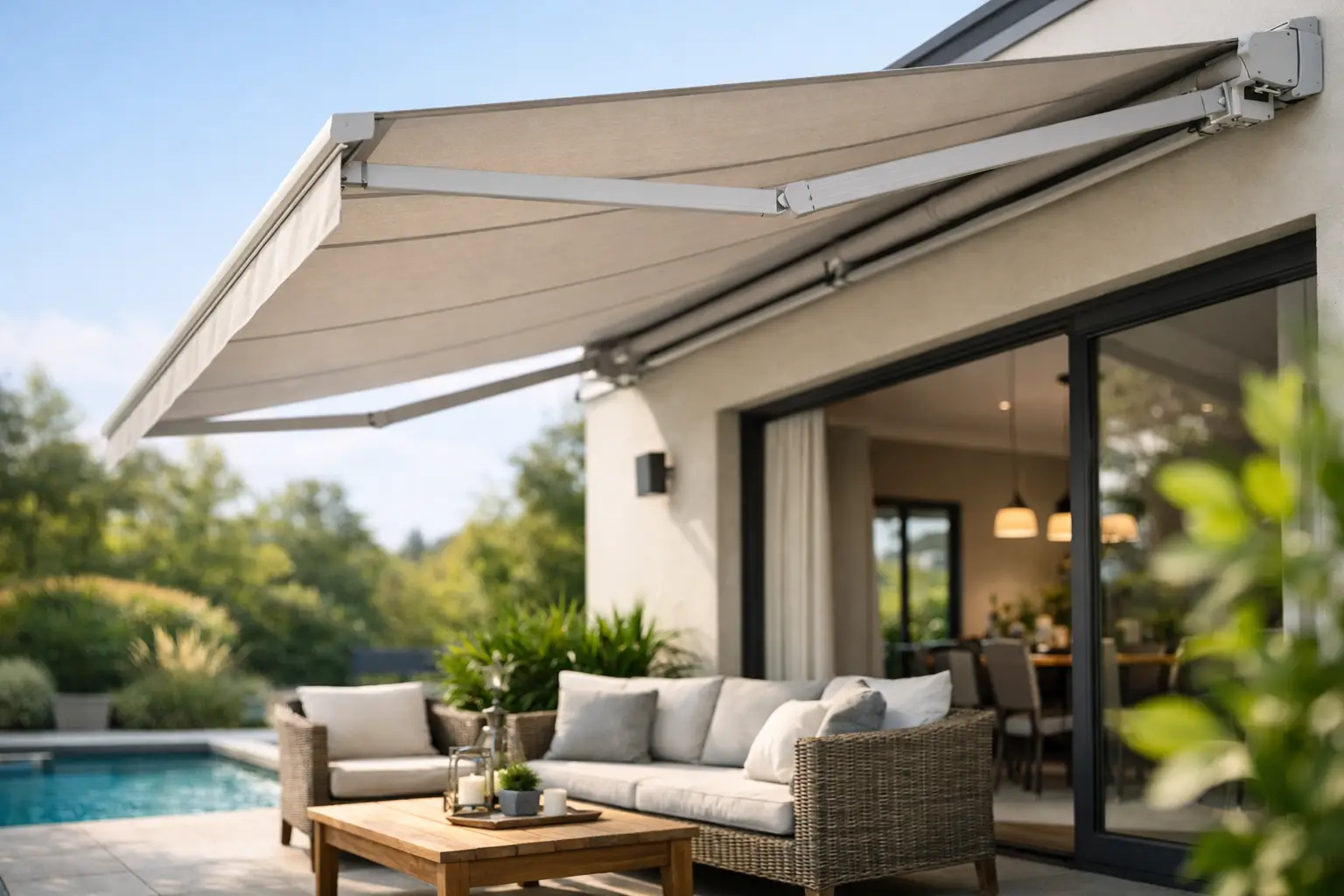
A folding arm awning is a retractable awning system that extends outward using articulated arms instead of vertical posts. That matters because it keeps the space below open. You get shade over a deck, patio, balcony, storefront, or restaurant seating area without adding poles that interrupt furniture layouts, walkways, or views.
For most buyers, the appeal is simple. It creates usable outdoor space when the sun is intense, and it retracts when you want full daylight or need to protect the fabric during rough weather. Compared with fixed canopies, it offers more flexibility. Compared with umbrellas, it usually covers more area and looks more integrated with the building.
Folding arm awning guide: where it makes the most sense
This style works especially well when you want broad shade close to the building line. Residential buyers often use it over backyard patios, poolside sitting areas, rooftop terraces, and condo balconies where every square foot matters. Commercial operators use it to make patio seating more comfortable and visually defined.
The best fit depends on how you use the space. If you host often during the afternoon, the goal is heat and glare reduction. If you run a café or restaurant, the goal may be customer comfort, better curb appeal, and more dependable patio use during the season. In both cases, a retractable system gives you control rather than permanent coverage.
The main parts that affect performance
Not all folding arm awnings perform the same, even when they look similar in photos. The frame, arm tension, mounting method, and fabric quality all shape long-term results.
The arms are the heart of the system. Strong arms maintain proper fabric tension and help the awning extend smoothly. Weak or undersized arms tend to sag over time, especially on larger projections. The frame and hardware matter just as much. A well-built awning should feel stable, not flimsy, when extended.
Fabric choice changes more than appearance. Good awning fabric helps block UV exposure, reduces heat gain, and holds its color longer. It also affects maintenance. Some fabrics resist mildew and fading better than others, which is a practical advantage in climates with strong sun, humidity, and frequent seasonal swings.
Then there is the cassette style. A full-cassette awning encloses the fabric and arms more completely when retracted, offering better protection from dirt and weather. A semi-cassette or open design may cost less, but the trade-off is more exposure when closed. For buyers who want a cleaner look and stronger long-term protection, full-cassette systems are often worth serious consideration.
Size is not just width
One of the most common buying mistakes is focusing only on how wide the awning is. Width matters, but projection matters just as much. Projection is how far the awning extends out from the wall. If the projection is too short, you may still have sun cutting across the seating area during peak hours.
This is where site-specific planning makes a difference. Sun angle, wall height, door placement, and furniture layout all affect the useful shade area. A patio dining set may need very different coverage than a pair of loungers near a pool. Commercial spaces can be even more nuanced because pedestrian clearance, signage, and façade visibility may all need to be considered.
Bigger is not always better, either. A very large awning on the wrong wall can overpower the elevation or place too much demand on a marginal mounting surface. A properly sized custom unit usually performs better than trying to maximize dimensions on paper.
Manual or motorized?
For smaller installations and budget-sensitive projects, a manual crank system can still be a solid choice. It is straightforward, dependable, and avoids electrical work. If the awning will be used occasionally, manual operation may be perfectly practical.
Motorization becomes more attractive as the awning gets larger or the usage becomes more frequent. For many homeowners, the convenience alone is enough. You are more likely to use the awning regularly when extending or retracting it takes a button press instead of effort. For commercial properties, motorization often makes even more sense because staff can operate the system quickly during service hours.
Sensors are another upgrade worth considering. Wind sensors can trigger retraction when conditions become unsafe. Sun sensors can automate shade when heat and glare increase. These features do add cost, but they can also protect the system and make daily use much easier.
Weather limits buyers should understand
A folding arm awning is designed for shade and light weather protection, not as a permanent all-weather roof. That distinction matters. It can help with light rain when the pitch is correct, but it should generally be retracted during strong wind, heavy rain, or storms.
Some buyers assume that if the frame looks substantial, it can stay out through anything. That is a costly assumption. Retractable awnings have moving parts and fabric under tension. They are excellent within their intended use, but they are not built to replace a structurally independent roof system.
In areas with changing weather patterns, this is where professional guidance helps. The right pitch, projection, fabric, and control options can improve performance, but honest expectations are part of a good buying decision.
Installation matters more than many buyers expect
A high-quality awning can still disappoint if it is poorly mounted. The wall structure, attachment points, and load distribution all need to be evaluated correctly. This is not just about getting the awning level. It is about making sure the building can safely support the system over time.
Different surfaces call for different approaches. Brick, concrete, wood framing, and commercial façades each come with their own requirements. Clearance is another factor. Doors, soffits, lights, downspouts, and windows can affect mounting height and extension path.
This is one reason many buyers prefer working with a company that handles consultation, customization, and installation together. A showroom or on-site review can catch issues early, before they turn into change orders or disappointing results. Welda Solar Shading Systems focuses on that kind of end-to-end planning because the right unit on the wrong installation surface is still the wrong result.
Style, fabric, and the look of the property
Function usually starts the conversation, but appearance often decides the purchase. A folding arm awning becomes a visible part of the property, so the fabric color, valance style, cassette shape, and frame finish should fit the building rather than fight it.
For residential spaces, neutral tones tend to age well and work with more exterior finishes. That said, some homes benefit from striped fabrics or stronger contrast, especially when the awning is meant to define a lively outdoor entertaining area. Commercial spaces may lean toward branding, street visibility, and a polished façade.
This is another area where trade-offs matter. A dramatic fabric can stand out beautifully, but it may also show dirt faster or narrow your future design flexibility. A subtle fabric may be easier to live with long term. The right answer depends on whether the awning is meant to blend in or make a statement.
Maintenance and lifespan
A folding arm awning does not need constant attention, but it does benefit from basic care. Keeping the fabric reasonably clean, retracting it during bad weather, and addressing small operating issues early can extend its life noticeably.
Motorized units should be checked occasionally for smooth operation. Manual units should not feel strained or jerky. If the fabric starts to collect debris, a gentle cleaning routine helps prevent staining and premature wear. The hardware should also be inspected from time to time, especially after windy periods.
Lifespan depends on build quality, exposure, usage habits, and installation quality. That is why the cheapest quote is not always the best value. Paying more for stronger components, better fabric, and proper installation can reduce replacement and service costs later.
How to choose the right one without overbuying
The best buying approach is to start with use, not features. Think about when the space becomes uncomfortable, how much coverage you actually need, and whether daily convenience matters enough to justify motorization.
From there, narrow the decision by structure and exposure. If the awning will face demanding sun and frequent use, stronger components and better fabric make sense. If aesthetics matter just as much as function, cassette design and fabric selection deserve more attention. If the project is commercial, reliability and quick operation may matter more than decorative details.
A good quote process should answer practical questions clearly. What size is appropriate for the wall? How much projection is realistic? Is the mounting surface suitable? What weather limitations should you expect? What service or warranty support comes with the installation? If those answers are vague, keep asking.
The right folding arm awning should make your outdoor space easier to use, not harder to manage. When the product is sized correctly, built for the conditions, and installed by people who understand the structure behind it, the difference shows up every sunny afternoon you actually want to stay outside.